Advertisement

Macroscope | Trump finally labels China a currency manipulator. It may be too little, too late
- The next step – negotiation – is unlikely to facilitate a resolution to the year-long trade spat. And when the talks do fail, none of the steps the US is mandated to take will put any meaningful pressure on Beijing
3-MIN READ3-MIN
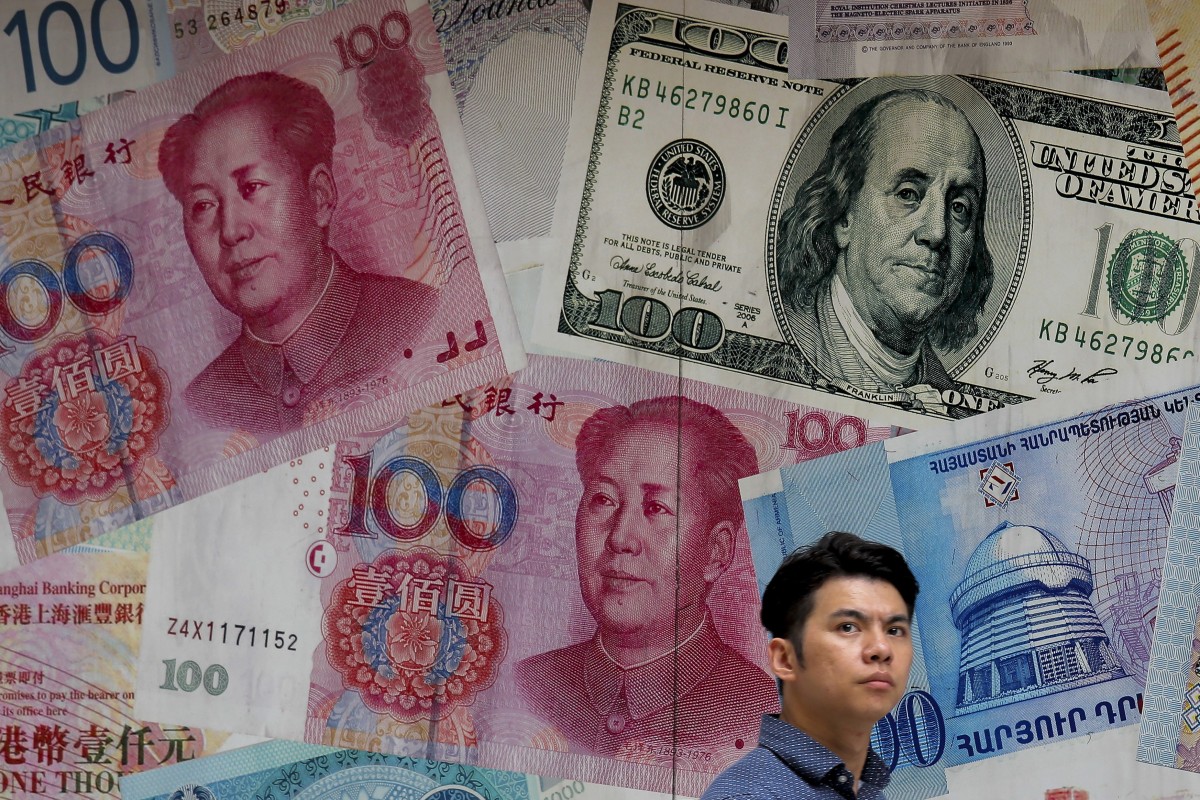
As a candidate for the 2016 US presidential election, Donald Trump vowed to name China as a currency manipulator “on day one” as president. On August 5 this year, he finally made the move, but hardly with the triumph of fulfilling a campaign promise.
The immediate context of Treasury Secretary Steven Mnuchin’s declaring China a “currency manipulator” is that the renminbi fell below the psychologically important level of 7 yuan to the US dollar, which of course happened on the heels of Trump’s announcement of an additional 10 per cent tariff on US$300 billion worth of Chinese imports, starting on September 1.
One does not need a degree in economics to understand the interconnection between exchange rates and tariffs.
Advertisement
If a Chinese factory sells Halloween costumes to Walmart, a tariff increase of 10 per cent by US customs will be fully offset by a 10 per cent depreciation of the renminbi.
Even if WTO jurisprudence would allow a complaint to be filed, the current US administration – which has been bent on blatantly disregarding WTO rules on tariffs – would be hugely embarrassed to appear as a victim.
There may be other reasons for the latest change of the renminbi exchange rate, but the impact of offsetting the US tariff increase is hard to deny.
Advertisement
Advertisement
Select Voice
Select Speed
1.00x