
In the eyes of many, HSBC is no longer so special to Hong Kong
- Departure of CEO John Flint after just 18 months in the job is but one indication that the lender has lost its status as city’s favoured son

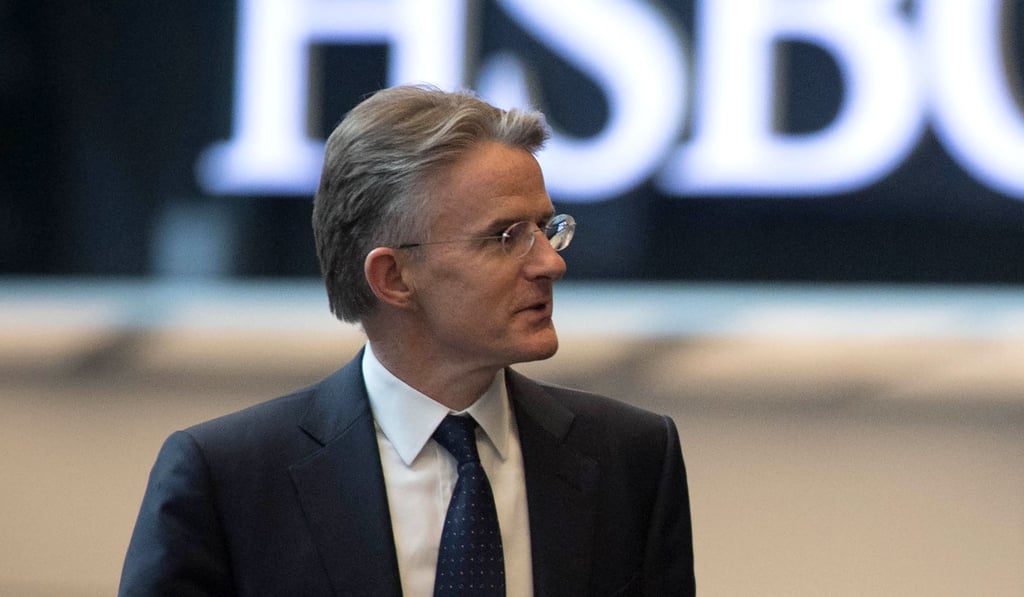
The job of the chief executive of HSBC has been called one of the most difficult in banking. John Flint will no doubt agree. Having worked for the British-based, but Asia-focused, banking and financial services company for 32 years, he has been unceremoniously dumped by the board of directors after just 18 months in the top post. Adding to the intrigue, HSBC’s Greater China chief executive, Helen Wong Pik-kuen, also resigned last week to “pursue an external opportunity”.
Besides running a complex global business, HSBC has had to navigate geopolitical fault lines between China and the West. But many of its problems are of its own making.
It played a key, but unwelcome, role in the United States’ attempt to extradite Chinese telecoms giant Huawei’s deputy chairwoman and chief financial officer, Sabrina Meng Wanzhou, who is also its founder’s daughter, for bank fraud and allegedly breaching sanctions against Iran. HSBC said it provided the information as demanded by the US Justice Department.
Either way, Beijing is likely to take a dim view of such actions against one of the country’s “national champions” and its key player in 5G next-generation telecommunications technology.
While colonial Hong Kong had made HSBC wealthy and the city continues to be one of its most profitable centres, the bank has not been exactly loyal. It moved its headquarters from Hong Kong to London before the 1997 return of the city to Chinese sovereignty.
HSBC went on a global buying spree to lessen its reliance on Hong Kong, only to find itself heavily exposed to the subprime housing crisis in the US through its ill-advised takeover of Household Finance. Since the global financial crisis, it has rediscovered its Asian roots, especially Hong Kong.