‘Golden week’ will be a yardstick to measure the economic damage
- As the protests continue, the slump could be the worst the city has seen with gloomy prediction for this week’s National Day holiday

Nearly four months of anti-government protests have combined with the US-China trade war to whip up a perfect storm for Hong Kong’s economy. The National Day “golden week” holiday will provide a yardstick by which the damage can be measured.
Last year 1.2 million mainland tourists visited Hong Kong and filled its shops and hotels. This year the portents are not good. Gloomy news abounds. The airport has just told us it expects 2 million fewer travellers this year because of the unrest – incidentally the number estimated to have turned out for the biggest mass protest march.
Until now the Severe acute respiratory syndrome (Sars) outbreak in 2003 has been the accepted benchmark of local slumps. There has been no real comparison, although tycoon Li Ka-shing said the effect of a 2016 downturn on property and retail was worse in some ways than during Sars.
There is no argument now that the current unrest-related slump could be worse.
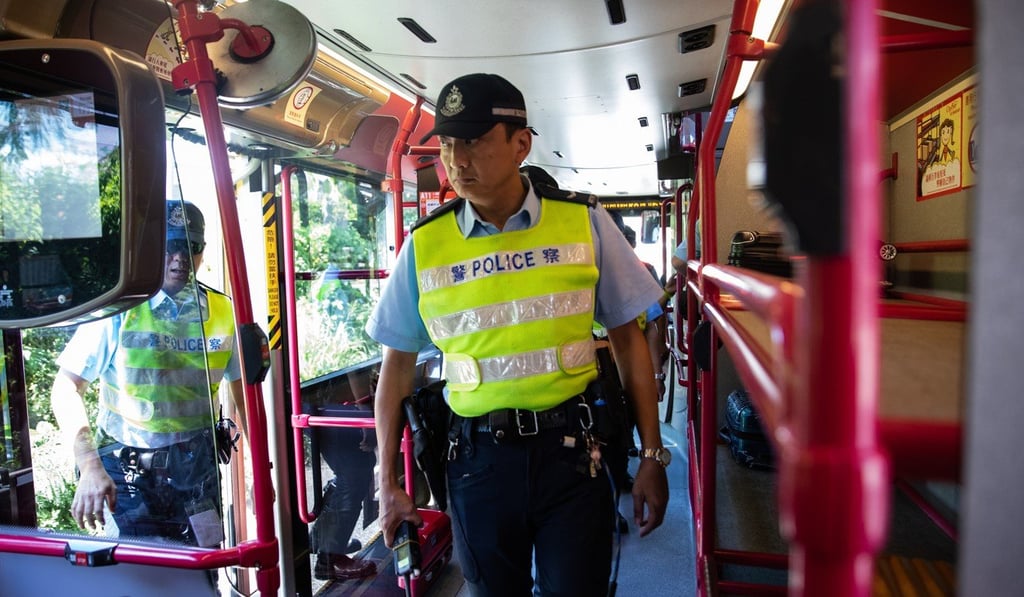
Nowhere is the role of visitors in Hong Kong’s economy more visible than in the retail sector. The slump there is not surprising given precipitous falls in airport arrivals and hotel occupancy.
What sets this downturn apart is that it has not been triggered by the impact of external factors. Exports and imports may be down by 6.3 per cent and 11.1 per cent respectively, but principal blame cannot be laid at the door of the trade war, or a mystery imported infection, or the knock-on effect of a mainland growth slowdown. It is deep-seated internal political division compounded by violent clashes and disruption of services that have frightened visitors away.