Rail link struggles to reach its potential
- With average daily passenger numbers already below estimates, the ongoing protests in Hong Kong has seen the usage of the high-speed line fall even further

Travelling by high-speed railway is all about speed, convenience and comfort. No less important is making the venture value for money. Having been in use for a year, the high-speed rail link is finally paying off, although not as much as previously envisaged. Officials must work harder to prove that it is not a white elephant.
Given the first nine months of operation was not marred by protests, the average daily passenger numbers of 52,000 – more than one-third lower than the government’s estimate of 80,100 – is far from satisfactory.
As the unrest in Hong Kong intensified, the figures plunged further from a monthly total of 1.56 million in July to 1.16 million in August – an average of 37,623 a day. The sluggish debut inevitably calls into question the cost effectiveness of a bid to link up with the national rail network.
With a cost of HK$84.4 billion (US$10.7 billion), the 26km local section is the world’s most costly railway by length. The shortfall in passenger numbers means the pressure to realise the economic benefits in the coming year will be even bigger.
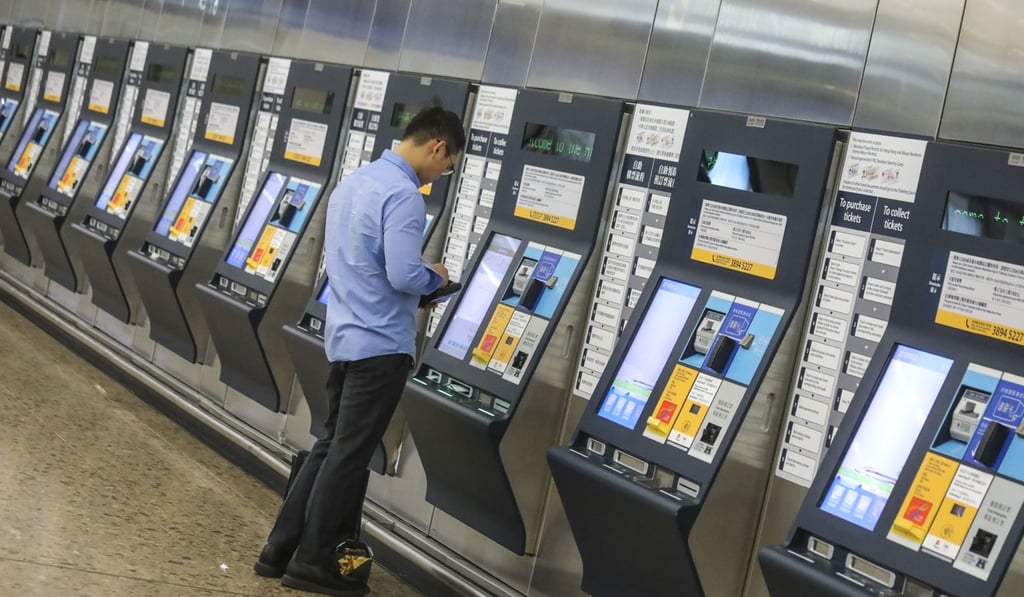
Also suffering are shops and restaurants at the West Kowloon terminal, with a dim sum place reportedly losing 20 per cent of its business since July.