
Compromise with China makes political sense for Donald Trump
- As he looks to re-election and fights impeachment efforts, the US president has shown in these latest talks the pragmatism needed to end the trade war

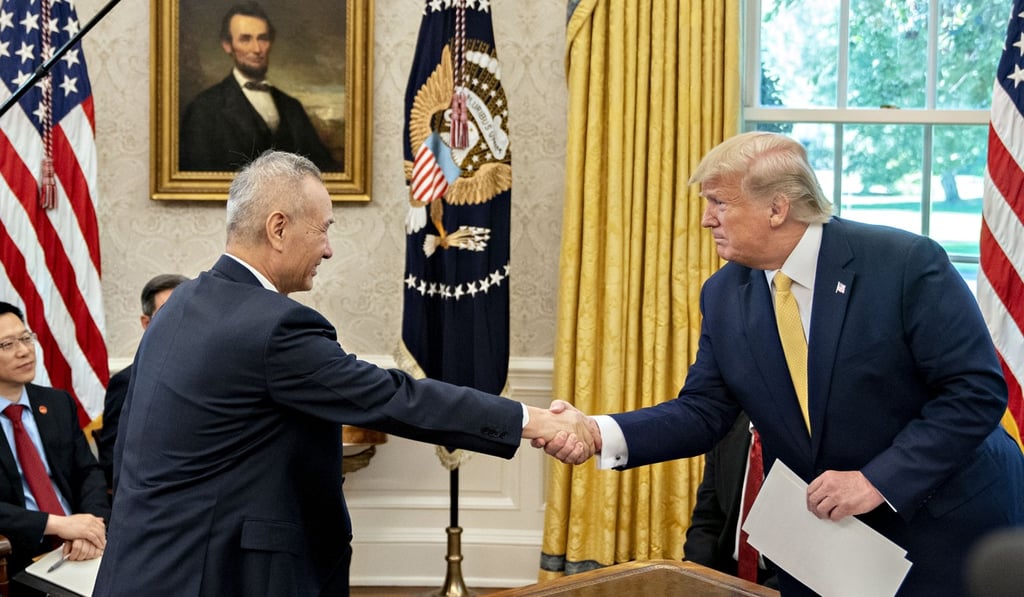
Chinese, Americans and global markets have got what they needed from the latest round of trade war talks between Beijing and Washington: a truce. Negotiators struck a limited agreement that averts Tuesday’s threatened tariff hike by the United States, ensuring breathing space for a broader pact expected to be signed by presidents Xi Jinping and Donald Trump on the sidelines of the Asia-Pacific Economic Cooperation forum summit in Chile next month.
China called the understanding “constructive” and the US leader termed it a “substantial phase one deal”, reflecting satisfaction on both sides. But even though uncertainties lie ahead, the White House has to be commended for finally recognising that time and a step-by-step approach are needed to handle the myriad complex issues.
Ahead of the talks in Washington, the 13th round since the US initiated the dispute in July last year, Trump called for a “comprehensive deal”. There was no chance of that, with the high-level Chinese negotiating team led by Vice-Premier Liu He unwilling to give in to the unreasonable demands of the Americans.
What eventuated after the two days of discussions that ended on Friday was relatively small, the US leaving existing and threatened tariffs untouched in return for concessions by China. Beijing promised to purchase more farm produce, mainly soybeans and pork, and offered new measures on currency, intellectual property and financial services.
Proving China’s sincerity, the securities watchdog unveiled a timetable for removing foreign ownership restrictions on futures, securities and mutual fund companies, one of the Trump administration’s demands. But a substantial number of thorny issues remain, high among them the state-owned companies that are so dominant in the Chinese economy, industrial subsidies and practices like joint partnerships, and bans and limits imposed by the US on firms that are leaders in technology.