
EditorialPolice need protection, but they are not the only ones to suffer from cyberbullying
- Even if the government believes there is an urgent need to provide stronger safeguards against doxxing, it would be better when it is done for the wider public interest

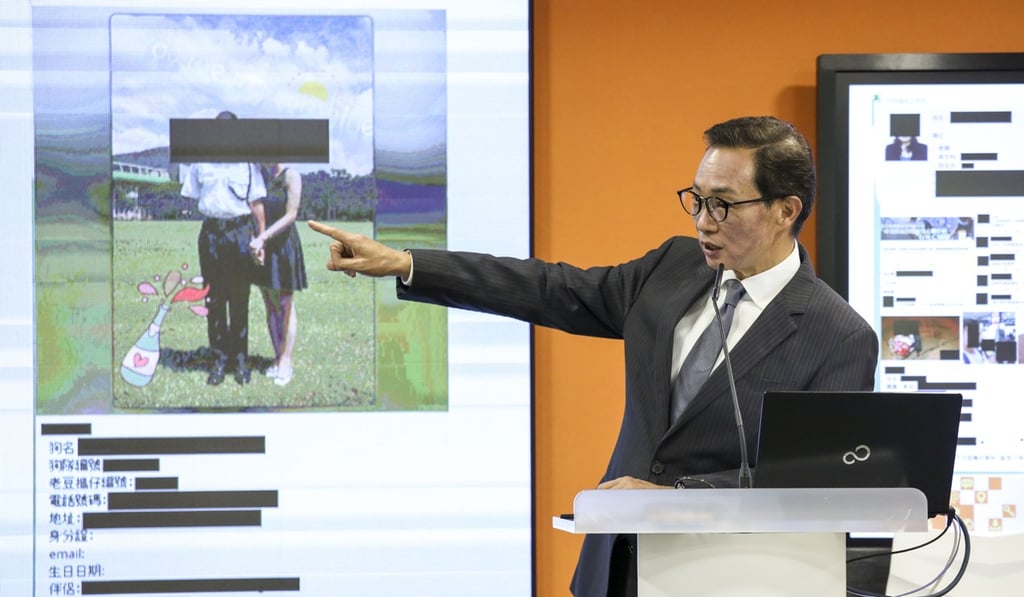
Hongkongers have had to put up with the violence and chaos sparked by the anti-extradition bill protests for the past 21 weeks. But for some people, the suffering goes beyond that. They are the victims of cyberwarfare spurred by rival camps. Among those affected are senior government officials, police officers, their family members, protesters, journalists, and business and community figures, with their personal details exposed in a malicious way, or so-called doxxing. While there appears to be a case for better safeguards against such acts, they have to be implemented carefully.
Earlier, the court granted an interim injunction restricting public access to the electoral register amid fears that the names and addresses of police officers could be leaked. Another ban seeking to prevent disciplined services staff quarters from being attacked by protesters has also been extended.
The moves may give an impression that the government only cares about the interests of police officers. Officials said the doxxing had caused psychological stress and personal safety concerns to officers and their family members. However, the same can be said for other victims of cyberbullying. According to the privacy watchdog, the trend is reversing, with the police accounting for only 30 per cent of the 2,700 cases of doxxing, down from 70 per cent. But with one in three cases still involving the police, it remains a cause for concern.
Currently, disclosing personal data without consent is liable to a maximum fine of HK$1 million and five years imprisonment under Section 64 of the Personal Data Privacy Ordinance. But the law does not specifically address two key aspects covered in the injunction – disclosure for harassment or intimidation; and aiding and abetting such acts.
Even if the government believes there is an urgent need to provide stronger safeguards against doxxing, it would be better when it is done for the wider public interest. There are also practical enforcement issues. For instance, how could details leaked via overseas websites be brought under control? Would news reporting be restricted as a result? Is there a defence for those who breach the ban inadvertently?
Tackling the root of the problem would be more effective than rushing through quick fixes that may cause confusion and deepen the divide further. If the law against doxxing is deemed insufficient, there needs to be legislative change in the longer term.