
China and US must take time to secure lasting trade deal
- Cancelled Apec meeting may be a blessing in disguise as there is now less of a rush to meet deadline, and negotiators have more space to reach proper agreement
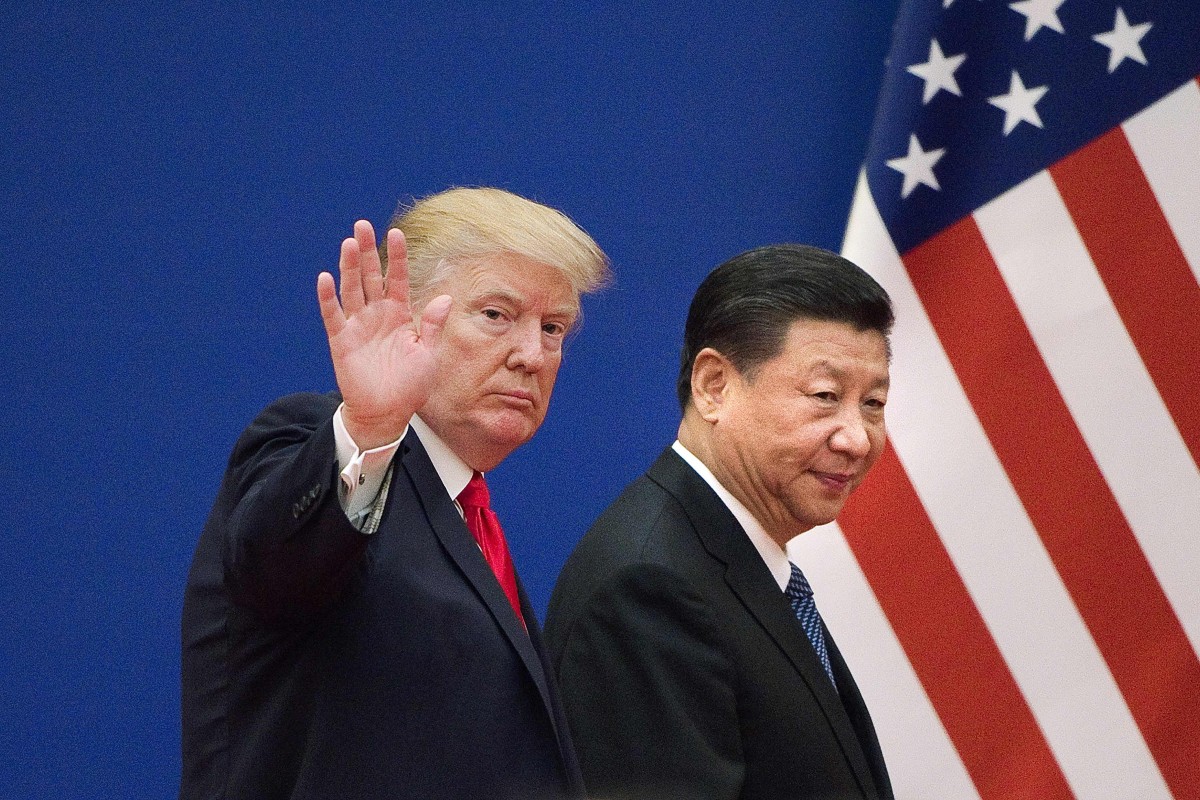
Relocating the summit in time for the November 16 and 17 meeting is unlikely; Apec has 21 member nations and its annual meeting of leaders is a huge undertaking that requires months of planning. An earlier opportunity, the US-Association of Southeast Asian Nations and East Asian summits in Bangkok today and tomorrow, had already been rejected as Trump will not be attending. But there are other chances, with Xi also visiting Brazil this month and the signing could take place there or on a US stopover. The American president could also be in the region next month as he has expressed interest in attending an Australian golf tournament. Among other venues suggested are Macau and Singapore.
There is no need to rush the deal, which involves the signing of a carefully worded agreement that will be the first phase of efforts to end the 15-month trade dispute. It includes a pledge by Beijing to increase purchases of US agricultural produce in return for a reprieve from higher American tariffs and a limited pact on intellectual property and currency. It is important that what is agreed can be properly implemented and builds trust so that the next stage can be smoothly moved to. Putting politics first, as Trump is prone to do as he campaigns for re-election next year, would be a mistake.
But Beijing is in no hurry, buying time and keeping the talks on an even keel being in its interests. Consultations should not be rushed and the details of agreements poured over and precisely worded to avoid misinterpretation. The final deal is unlikely to be struck until after next November’s US election. A critical date is looming, though; Trump has set December 15 for the imposition of new tariffs on Chinese imports, including electronics and toys.
Averting more penalties has to be avoided. Trump suspended the raising of tariffs on the first round of US$250 billion in imports on October 15, paving the way for the interim agreement. Both sides need a pact as the dispute is hurting their nations’ economies and relations. Given the animosities, it is best that negotiations are measured.