
OpinionIndia’s Ayodhya verdict: can Modi harness religion for healing and reconciliation, not bitterness and bloodshed?
- The Supreme Court ruling on the dispute over a mosque Hindus claim was built on the birthplace of a deity brings judicial closure but leaves Muslims feeling abandoned
- The Kartarpur corridor, allowing Indian Sikhs to visit a shrine in Pakistan, is a model of tolerance that should be replicated
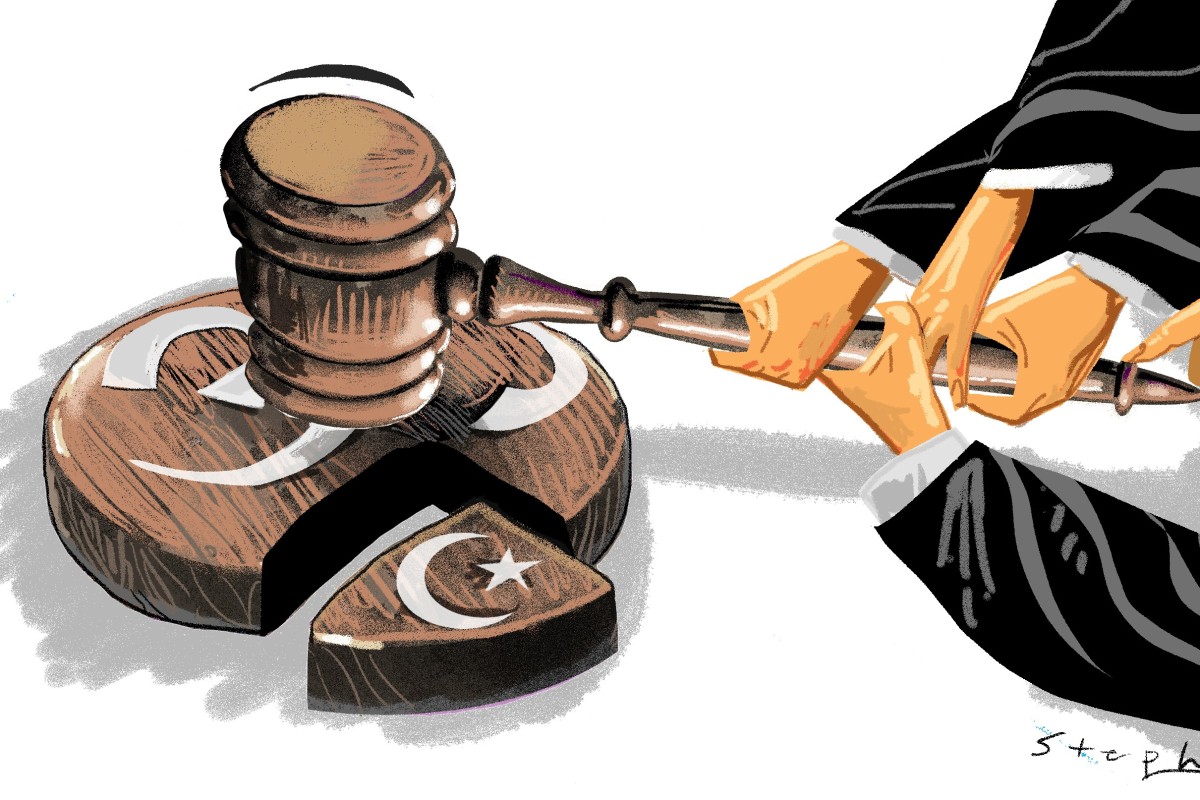
In the mid-19th century, the British colonial rulers divided the site into separate areas for Hindu and Muslim devotees. However, accusations of mutual encroachment led to acrimony and discord. The current legal dispute dates back to 1885 when a Hindu petitioner wanted to build a temple on the site.
The case has defied resolution even after India gained independence from the British and acquired corrosive political overtones.
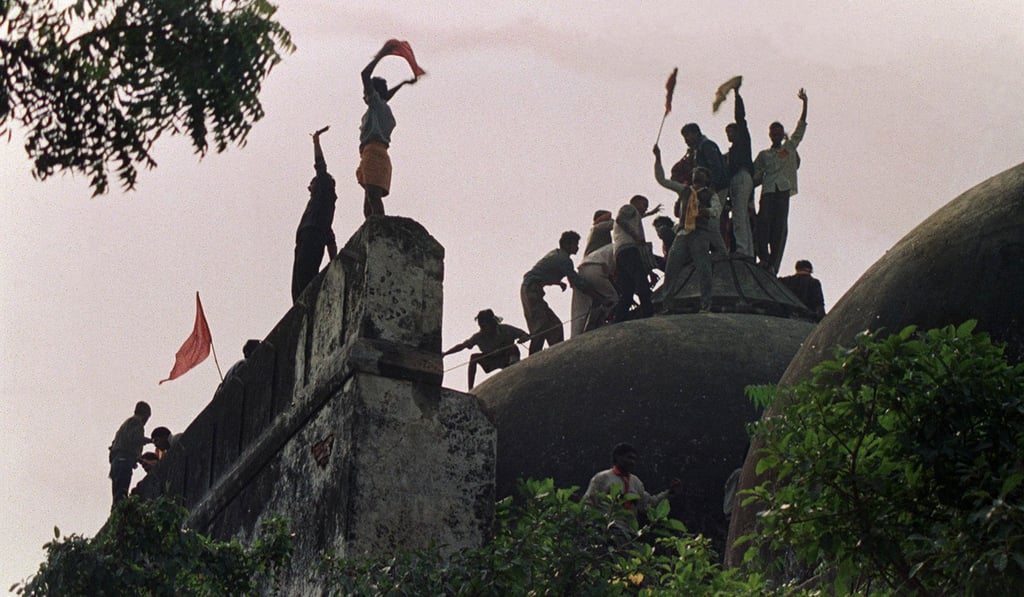
Building a temple on the site was taken up by the Hindu right wing as an electoral issue. In 1992, Lal Krishna Advani, a senior leader of the Bharatiya Janata Party, which is currently in power in India, led a group of “devotees” to Ayodhya, where they began demolishing the mosque. Communal riots erupted across India, resulting in the death of around 2,000 people.
Since then, the BJP has remained committed to building a temple on the site but has also deferred to the courts, which have moved slowly on the matter. In 2010, the Lucknow bench of the Allahabad High Court ruled that the disputed 2.77 acre site be awarded to three claimants – two Hindu and one Muslim – as joint owners of the land.