
Protesters and police are descending into totalitarianism. Hong Kong needs an Athenian moment to save itself
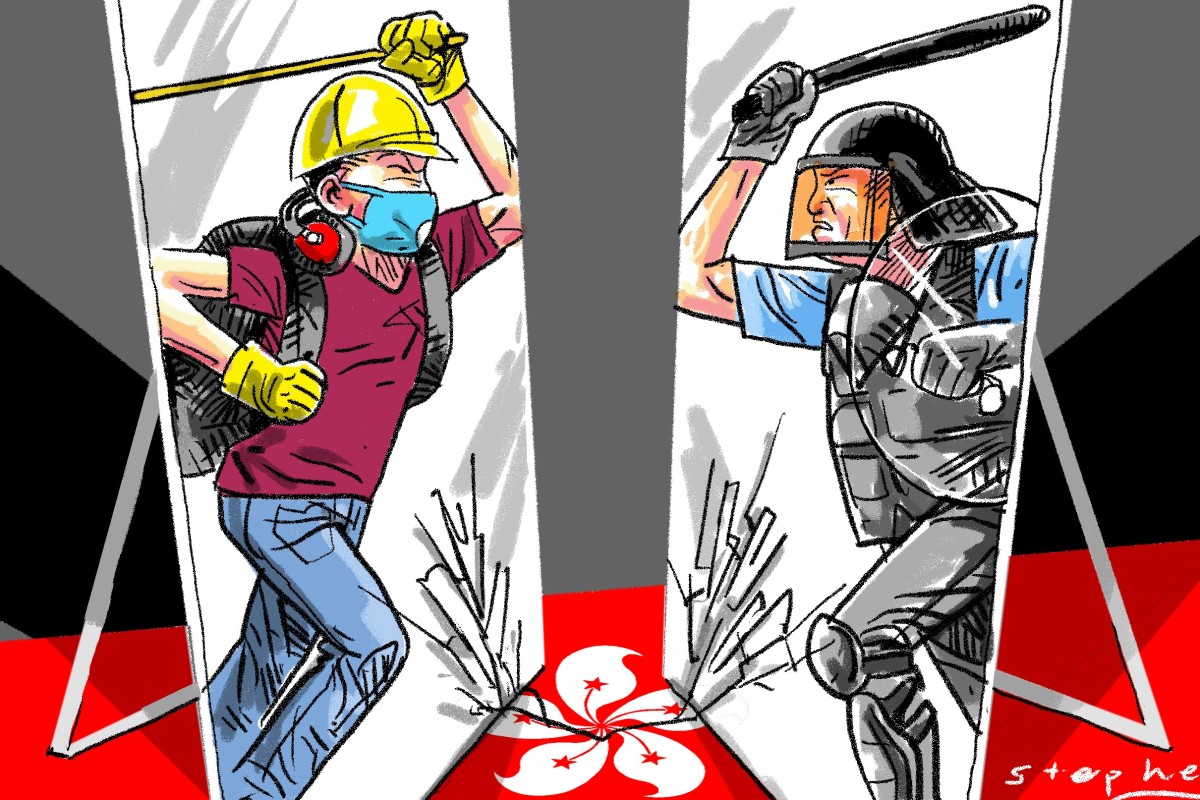
- Police and the protesters appear trapped, unable to negotiate and pushing each other to greater extremes
- To protect its freedoms, Hong Kong’s individual communities and institutions should put issues affecting them to a vote – and the majority should not be held hostage by the few
The protesters poured out of the front gate of the university. As soon as they entered the street they were descended upon by riot police in full gear surrounding them on three sides. The students engaged the riot police with sticks, and the police shot choking amounts of tear gas and used their shields and batons to beat the protesters. It was 1994 in Seoul, and I was watching the tail end of the South Korean democracy movement engage what was formerly an instrument of the dictatorship.
Much of what is happening in Hong Kong bears similarities to what I saw then, but there are striking differences too.
I spent Thursday and Friday talking intensively with the protesters behind the barricades at the University of Hong Kong. My goal was to learn from them, and to try to reduce the probability of serious injury or death. Most of the protesters I spoke with are idealists, all of them espouse democratic goals and values. Most of them also believe that the violence they use is in self-defence.
This escalation cycle of violence could create a “totalitarian mirror”. Without realising or intending it, institutions can easily come to resemble each other. What if it turns out that the greatest threat to democracy and individual liberties is not people who say they want more freedom, or people who say they want more efficiency, but people who are willing to pick up a gun to make other people do what they want?
