
EditorialPolicies of Narendra Modi threaten regional stability
- Indian prime minister is also putting his country’s economy and diplomatic relations at risk with nationalist drive that has led to deaths and arrests

India’s stability, economy and diplomatic relations are being put at risk by Prime Minister Narendra Modi’s nationalist policies. His refusal to join the Regional Comprehensive Economic Partnership last month robbed the massive Asian free-trade zone of considerable extra weight and prevented his country from receiving a much-needed economic boost.
The pushing ahead with a new law that critics contend discriminates against Muslims has sparked violent nationwide protests and could damage relations with neighbours. Cooperation and regionalism, not protectionism and isolationism, are what Indians, Asians and the world need.
Modi and his Hindu-nationalist Bharatiya Janata Party promised economic openness and reforms when winning a second term in a landslide vote in May. But they have instead ignored opportunities to do that in order to push an agenda that panders to their electoral base.
Approval by parliament of an amendment to the citizenship act has prompted hundreds of thousands of people to take to the streets to protest against a law that grants citizenship to refugees who are members of religious minorities from Muslim-majority Afghanistan, Bangladesh and Pakistan.
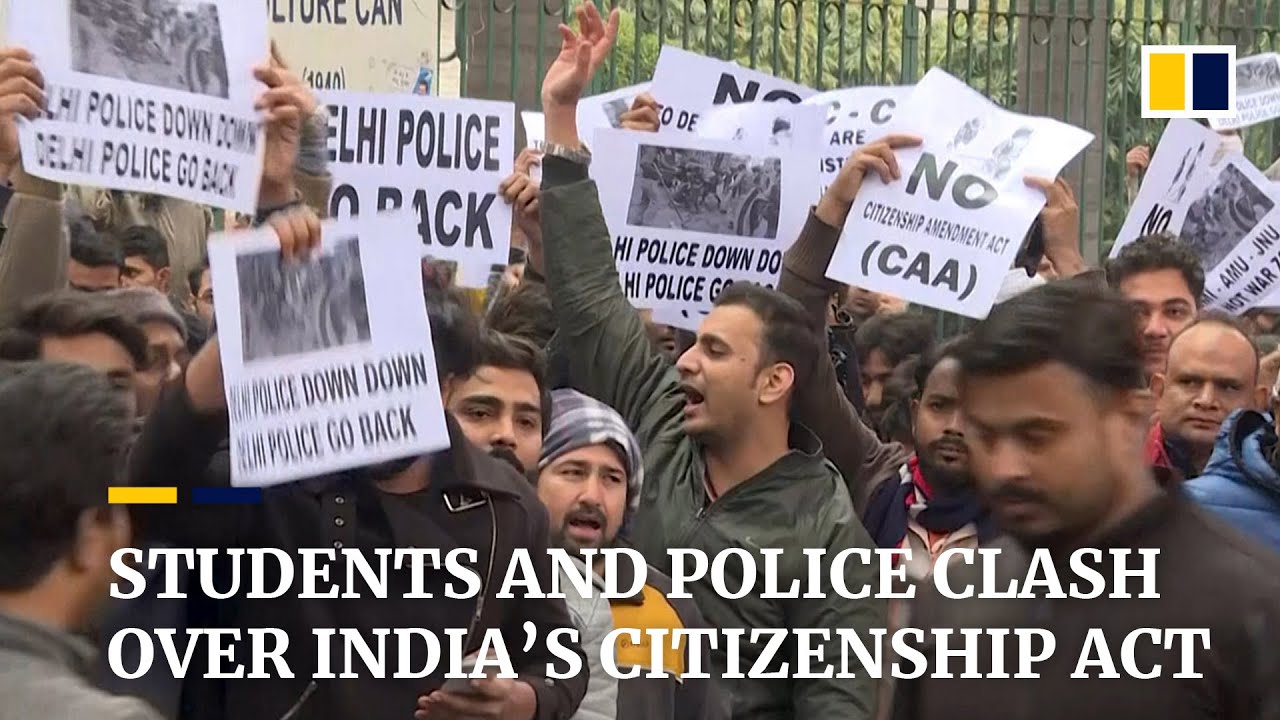
Coupled with the expected roll-out of a national register of citizens, presently being tried out in the northeastern state of Assam to weed out illegal immigrants, many of them Bangladeshis, there is understandable anxiety among India’s 200 million Muslims.