Why the Fed’s latest rate cut is an overreaction and sends the wrong signal to markets
- The emergency rate cut, its first since the 2008 global financial crisis, reinforces fears that the world economy is in trouble, and may yet send record low Treasury yields into negative territory. The Fed is misusing its best economic tool

It is not the place for stock market analysts to make judgmental comments about the actions of bigger and better players in the markets. Sensible and concise reflection, interpretation of the facts, and considered forecasts are the order of the day, not subjective rants about the actions of players and what they really should be doing.
This is the exception. What the heck does the US Federal Reserve Board think it is doing?
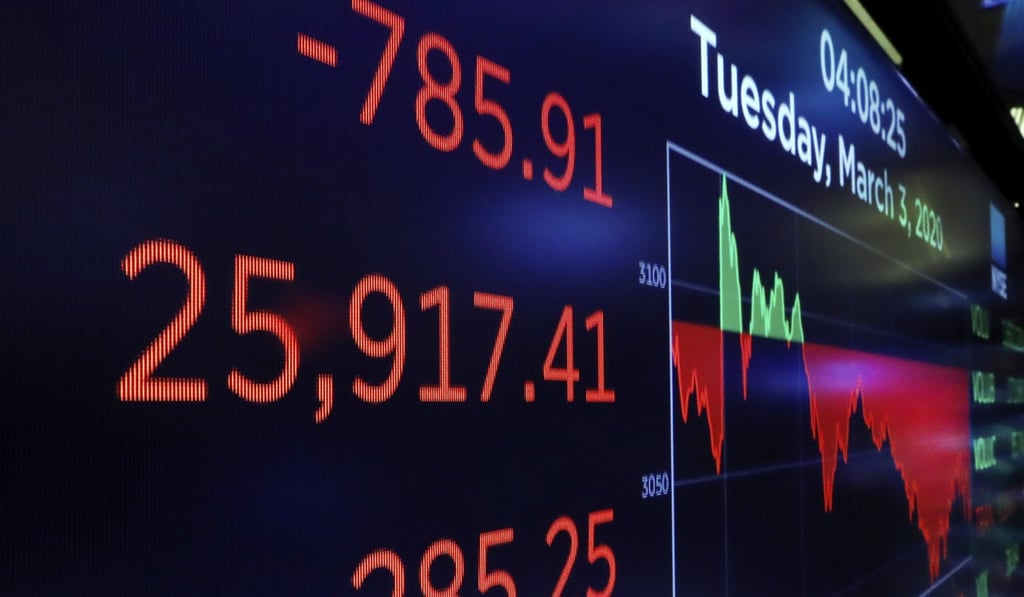
Market commentators interviewed on television had no answers. The market did – instead of the Dow Jones Industrial Average rising the 300 points indicated by the earlier opening futures markets, it instead fell by nearly 786 (2.94 per cent). Did the Fed board members think anything else was going to happen?
Money flooded into the bond markets as the US 10-year Treasury bond, a bellwether of market confidence, roared upwards. The benchmark bond yield, a measure of value that is inverse to price, ended below 1 per cent for the first time, ever, at 0.98 per cent per annum. It peaked at 15.8 per cent in 1981 and was above 3.2 in October 2018. Indeed, a month ago, it was over 1.9 per cent. We are into unchartered waters.