Advertisement


Opinion
In the aftermath of the coronavirus crisis, India could emerge as the power behind the global growth engine
- The Covid-19 pandemic has sparked a backlash against globalisation, which ignores its huge contribution to global GDP and poverty reduction
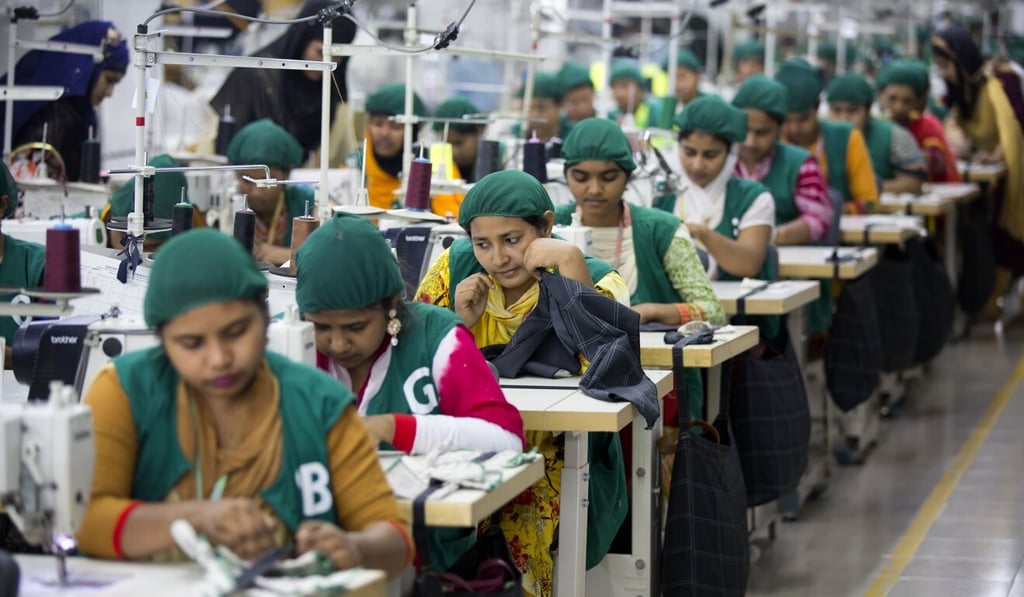
- While China, with its dynamic supply chain, labour pool and support systems for manufacturing, powered global growth after the 2008 financial crisis, India could do the same for services
4-MIN READ4-MIN

The Covid-19 outbreak is our generation’s biggest litmus test, forcing millions to put their life on hold, including many who cannot afford to do so. It is pushing both the state and its people to re-evaluate their systems, alliances and even values.
The crisis is also having a decisive impact on the global economy. What kind of world will emerge in the aftermath: distrustful and fragmented subgroups or a resilient and united citizenship?
In the years after the fall of the Berlin Wall in 1991, trade barriers collapsed all over the world, with some unintended consequences. In the current crisis, some are worried by the uncertainty posed by complex and intertwined global supply chains. Others lament the growing list of complex tax practices of large multinationals.
Advertisement
But we often fail to comprehend the gravity of peace, progress and prosperity that globalisation has delivered.
Advertisement
Globalisation has enabled a framework where more people around the world can innovate, compete, connect and collaborate on a more equal footing than ever before. Apart from goods, globalisation has facilitated the flow of ideas, cultures and values.
Advertisement
Select Voice
Select Speed
1.00x