
EditorialCool heads required from military leaders after China-India border clashes
- As uncertainty remains over casualties suffered by Chinese and Indian forces in the Himalayas, both sides must acknowledge they have no good reason to go to war with each other
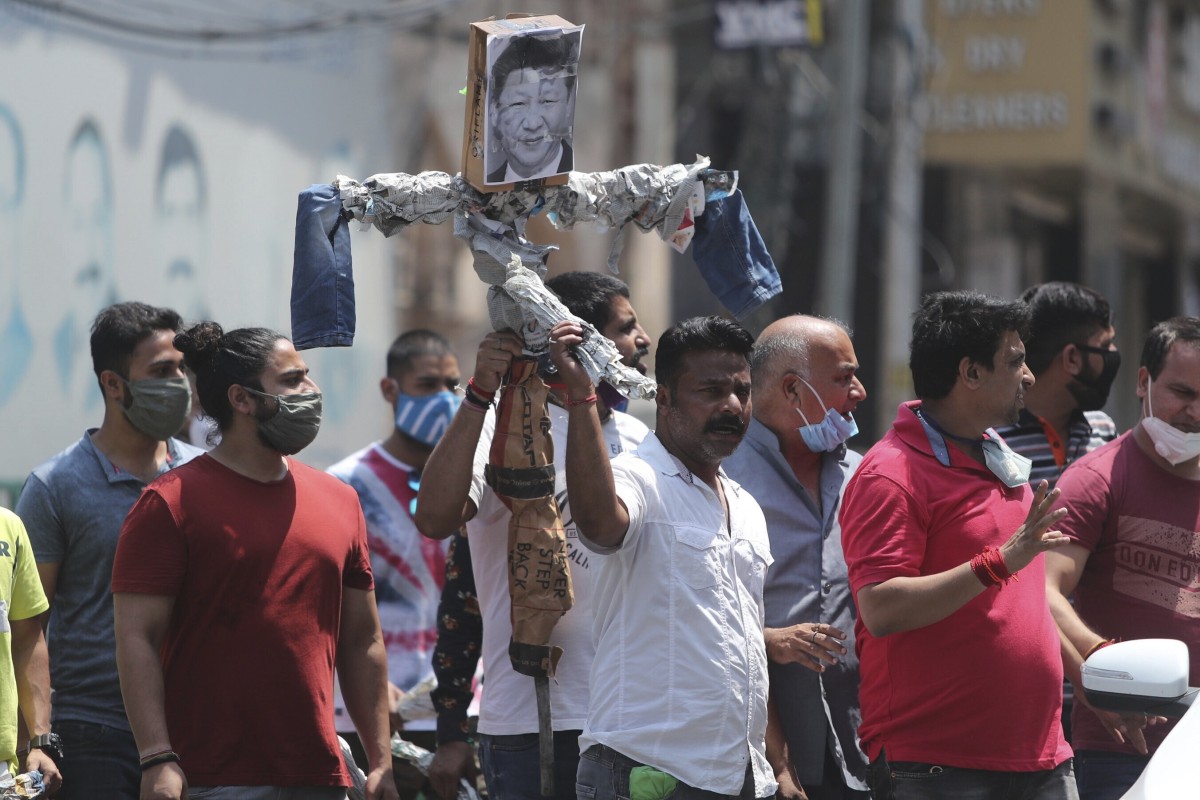
The circumstances of clashes this week between Chinese and Indian soldiers in disputed territory in the Himalayas are unclear. Both sides acknowledge there were casualties, but whether injuries or deaths cannot be said with certainty; Beijing does not say, while New Delhi puts firm numbers.
High altitude, rough terrain and bitterly cold conditions make deploying and supplying troops challenging, let alone expecting them to then face off in combat. What can be said with conviction, though, is that neither country has good reason to go to war with the other.
That is why India’s announcement that 20 of its soldiers and perhaps more than twice as many Chinese were killed in hand-to-hand fighting is surprising. Although their armies come face to face at numerous points along their shared 3,440km (2,138-mile) border and skirmishes occur from time to time, there have been no deaths in 45 years.
An escalation to full-blown conflict as happened in 1962 would make no sense at a time when both governments are battling the Covid-19 pandemic. China is also embroiled in a number of diplomatic, economic and trade disputes, the worst with the United States, for which it is focused on talks in Hawaii today between its top diplomat, Yang Jiechi, and American Secretary of State Mike Pompeo.
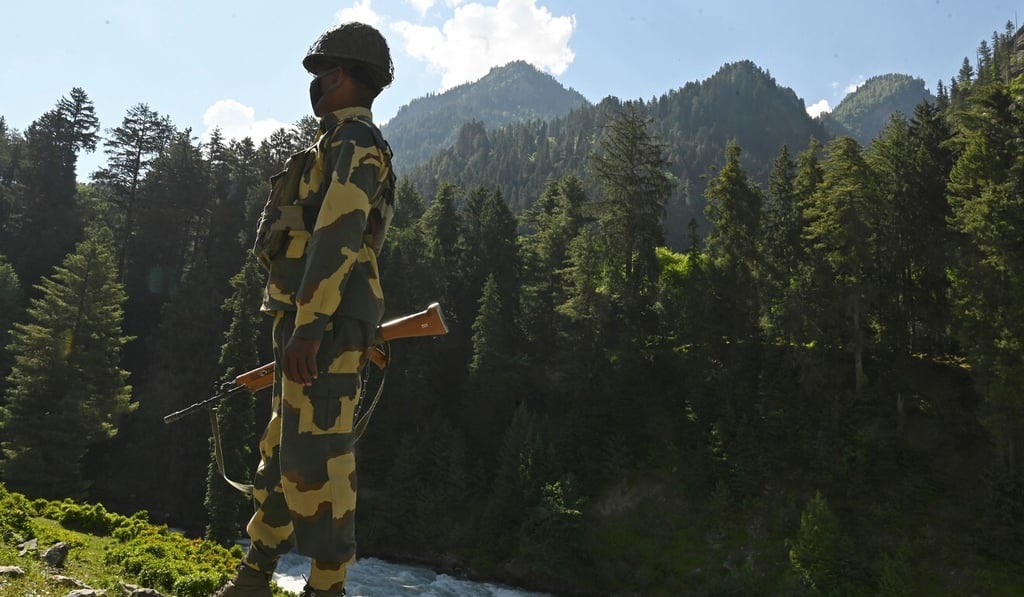
China and India accuse each other of violating an agreement not to infringe on the Line of Actual Control that separates forces in the Galwan Valley in an area between Indian-administered Ladakh and the Chinese territory of Aksai Chin. What occurred is disputed; India claims those killed were beaten to death with clubs and rocks.