
My Take | Can McDonald’s still save the world?
- Serious people nowadays fret about the so-called Thucydides Trap and a looming war between China and the United States, but can the declining global allure of Big Mac and McNuggets still hold up as a sign of peace among nations?

There are two schools of international relations about war and peace, one very serious and prestigious and the other, well, not so much.
The first is a “realist” school represented by Harvard political scientist Graham Allison, who popularised the phrase Thucydides Trap in his 2017 book, Destined for War. On this theory, war is inevitable when a rising power aims to disrupt the existing international system maintained by the hegemonic power.
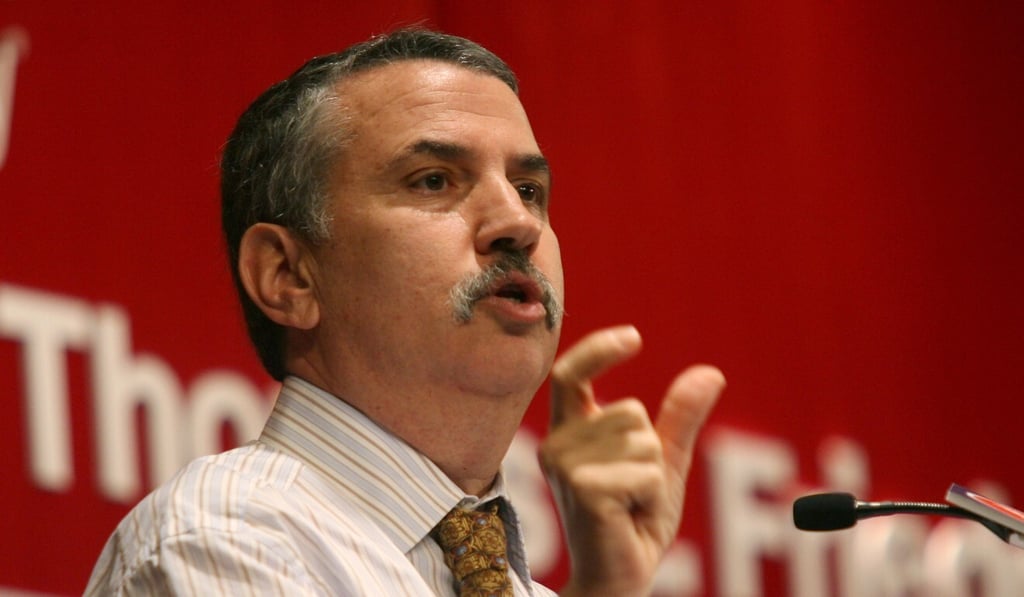
I prefer a sunnier theory, though, proposed by New York Times writer Thomas Friedman. He calls it the “Golden Arches theory of conflict prevention” in his 1999 bestseller The Lexus and the Olive Tree: Understanding Globalization.
Here, I will distinguish the strong and weak versions. The strong version, which everyone makes fun of, says no two nations with McDonald’s restaurants have ever gone to war.
The weaker one claims that nations with the global fast food chain are more unlikely to go to war with one another.
The first version is obviously wrong: The US invasion of Panama in 1989; the so-called Kargil war between India and Pakistan fought over Kashmir; the 2006 war between Israel and Lebanon; Russia’s attack in 2008 on Georgia in South Ossetia and its invasion of Crimea in Ukraine in 2014.