
Why India’s bid to bring Russia into the Indo-Pacific initiative is unwise
- Russian involvement in the Indo-Pacific will help India avoid making tough choices in the US-China face-off and could induce a split between Moscow and Beijing
- However, given close Russia-China military and economic ties, this is unlikely to happen. Instead, India could anger its allies in the Quad and Asean
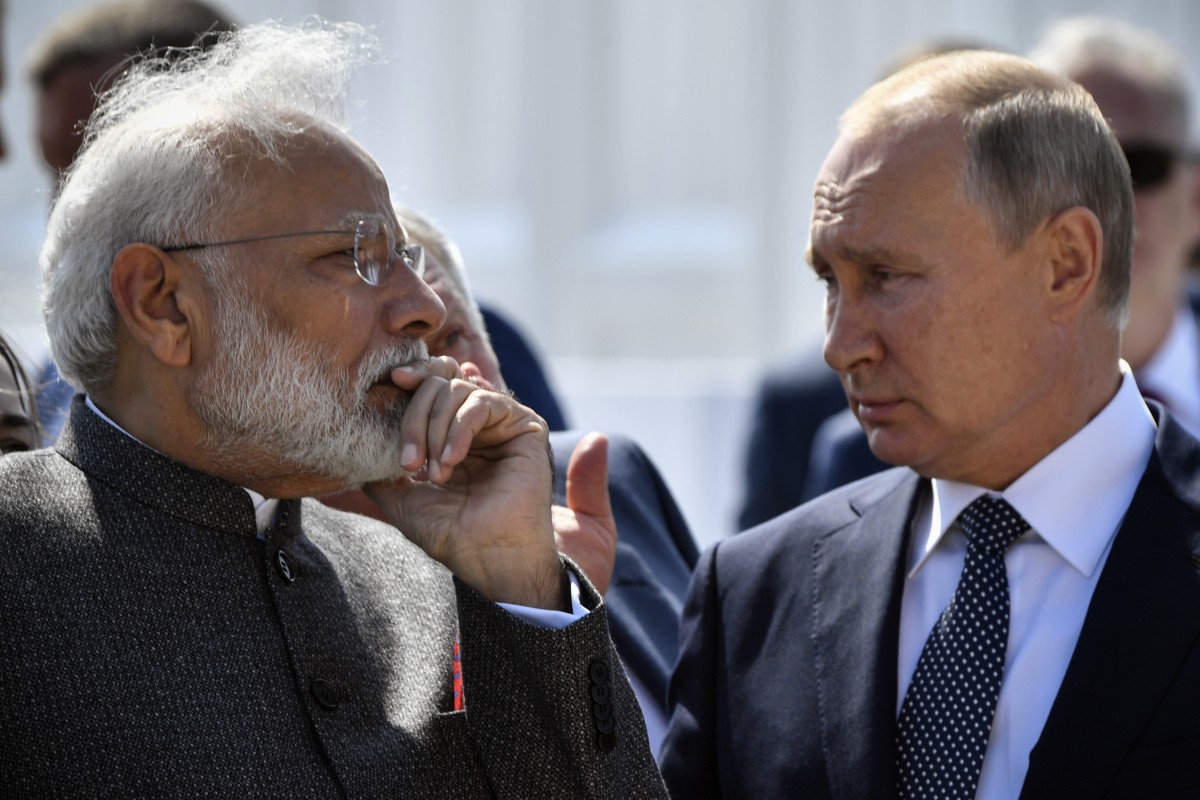
With the idea having gained currency among many strategic analysts in New Delhi, India mooted the possibility of Russian involvement in a trilateral engagement with Japan. But that’s just a start; India and Russia will have their annual summit in October and chances are that the Indo-Pacific will feature on that agenda.
By pulling Russia into the Indo-Pacific, India hopes to escape making tough choices in the US-China face-off. New Delhi is also trying to induce a split between Russia and China by appealing to shared interests over freedom of navigation in the South China Sea and the Indian Ocean.

01:24
China ends fishing ban in South China Sea, raising fear of potential conflicts among fishermen
If Moscow can be convinced that Chinese aggression is a threat, New Delhi believes it will become a useful partner in the Indo-Pacific. The presence of another major military power, capable of providing a balance to the US and China, will help turn the bipolar geopolitical battlefield into a multipolar arena – with greater space for middle powers like India itself.