
What a maths formula says about highly polarised societies
- A branch of statistics teaches us how to update our beliefs to strengthen or weaken our probabilistic confidence in their being true or not, but if you are fully committed to a belief, no new evidence will ever change your mind

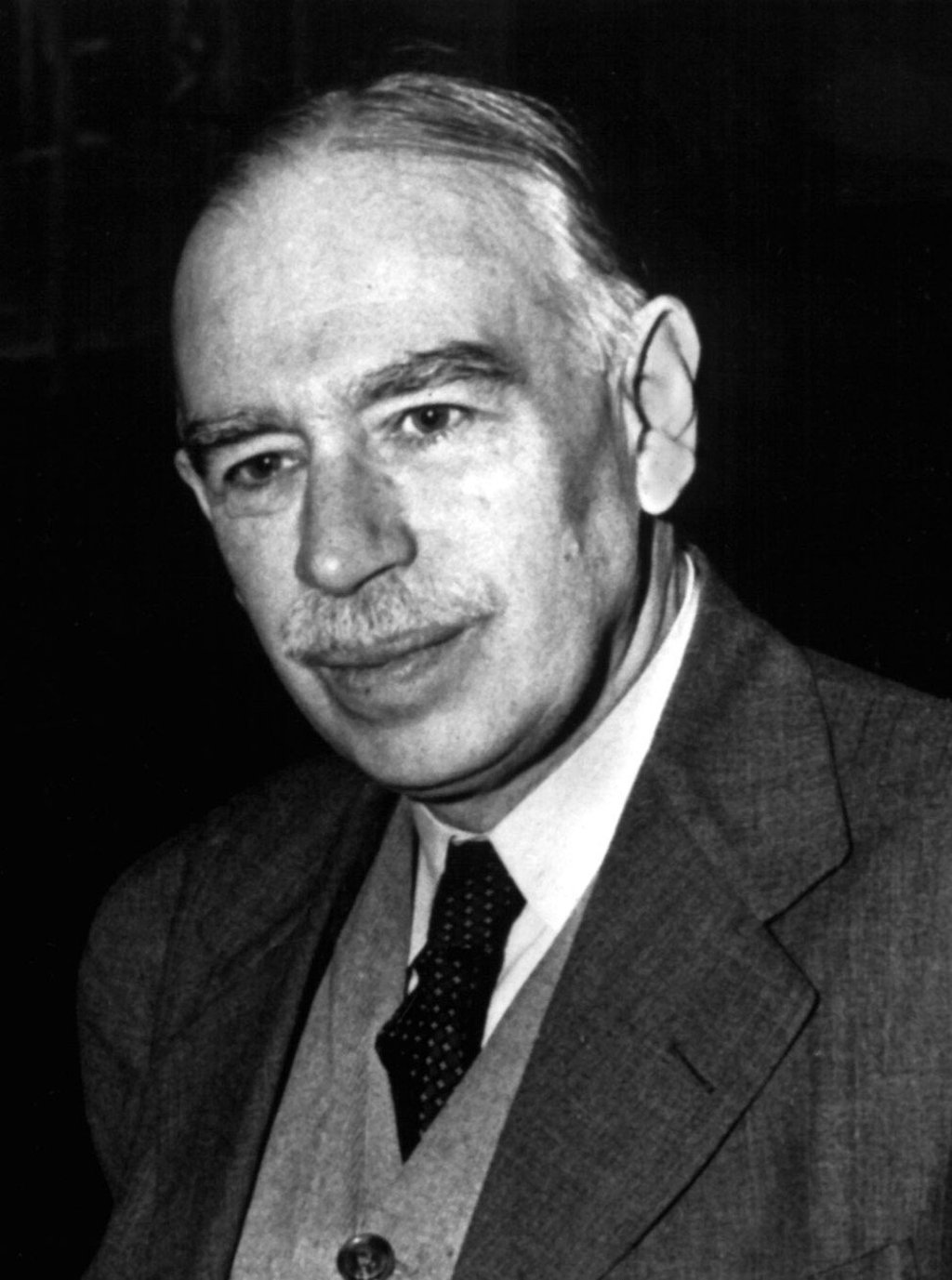
John Maynard Keynes, the great economist, supposedly said: “When my information changes, I change my mind. What do you do, sir?”
There have been disputes as to its provenance. One claim, which sounds credible, is that it was the late Nobel Prize-winning economist Paul Samuelson who attributed the quote to Keynes, but that no one has managed to find where Keynes might have actually said or written it. But, given the well-known biographical fact that Keynes had a most nimble mind and was the very opposite of a dogmatic person, the sentiment expressed was characteristic of him, whether he actually said it or not.
It’s a good rule for people to follow in life. Unfortunately, I don’t always – because it’s actually very hard to. Often, I just block out new or contrary information and points of view I don’t like or share, without even thinking about it.
But if more people at least try to follow Keynes’ rule, there may be much less fanaticism and dogmatism in the world, whether in religion or even in science and academia, perhaps especially in university today.
But in the end, we all live in our own Matrix or Plato’s cave. The sunlight of truth outside is just too bright for me. It’s far more comforting to stay in the shade inside.