
The book of nature reads a lot like the Art of War
- Sun Tzu teaches stratagems, guile, trickery and duplicity, but he has a thing or two to learn from dastardly viruses, insects and mammals

Charles Darwin’s theory of natural selection seems infinitely malleable according to one’s preferred ideology. In the 19th century, Social Darwinians were happy with ruthless and unregulated capitalism, and so they see nature as in the famous words of Tennyson: “Who trusted God was love indeed/And love Creation’s final law/Tho’ Nature, red in tooth and claw/With ravine, shriek’d against his creed.”
In the second half of the last century, though, Rousseauian biologists, along with mathematicians who have devised non-competitive game-theoretic strategies, discovered that far from going at each other’s throats, nature’s creatures are often peace-loving and cooperative.
Now that we may possibly have entered the Chinese century, maybe it’s time for a Darwinian model of nature as interpreted through Sun Tzu. The famous The Art of War teaches stratagems, guile, trickery and duplicity. And the way (the Tao) of nature is so full of ruthless deceit and cruel deception, in the fight for survival and in the relentless struggle to spread one’s seeds and genes as far and wide as possible.
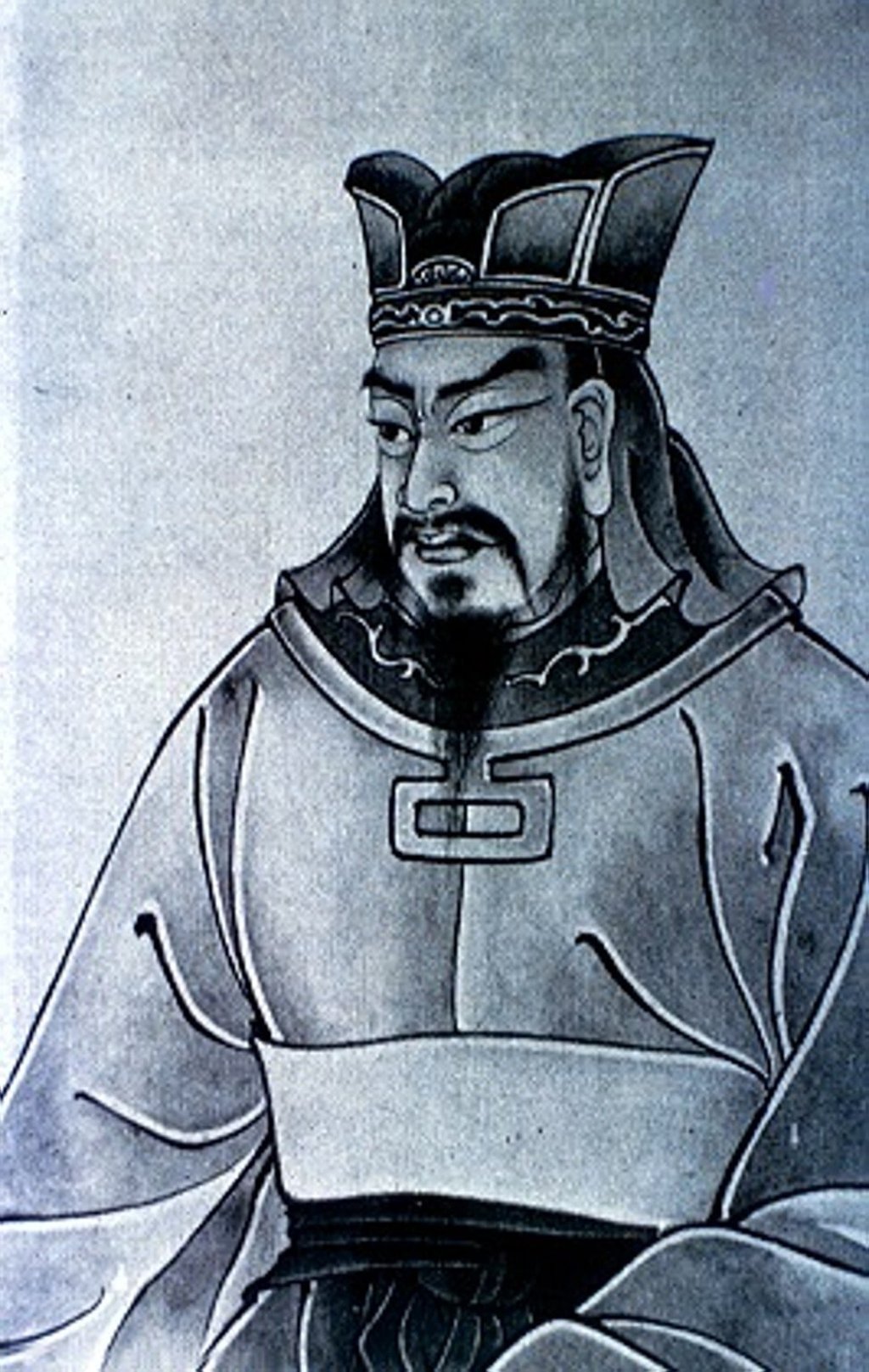
I have been reading up on sociobiology in the past few years and it often seems more devious than Sun Tzu and Machiavelli.
Aphids, the insect, are one of nature’s great suckers. Some plants send out emissions that attract aphids, which parasitically feed on them. The common plant pathogen, cucumber mosaic virus, infects the same plants and degrades their health. But it tricks the plants into elevating the emissions to attract more aphids which then spread the virus around.