

Middle-income countries’ lonely war on the coronavirus cannot be ignored
- Already weakened by social unrest over slowing economic growth and crippling inequalities, these countries are now struggling to contain a pandemic with a fraction of the resources that rich nations have, and without the aid extended to low-income countries

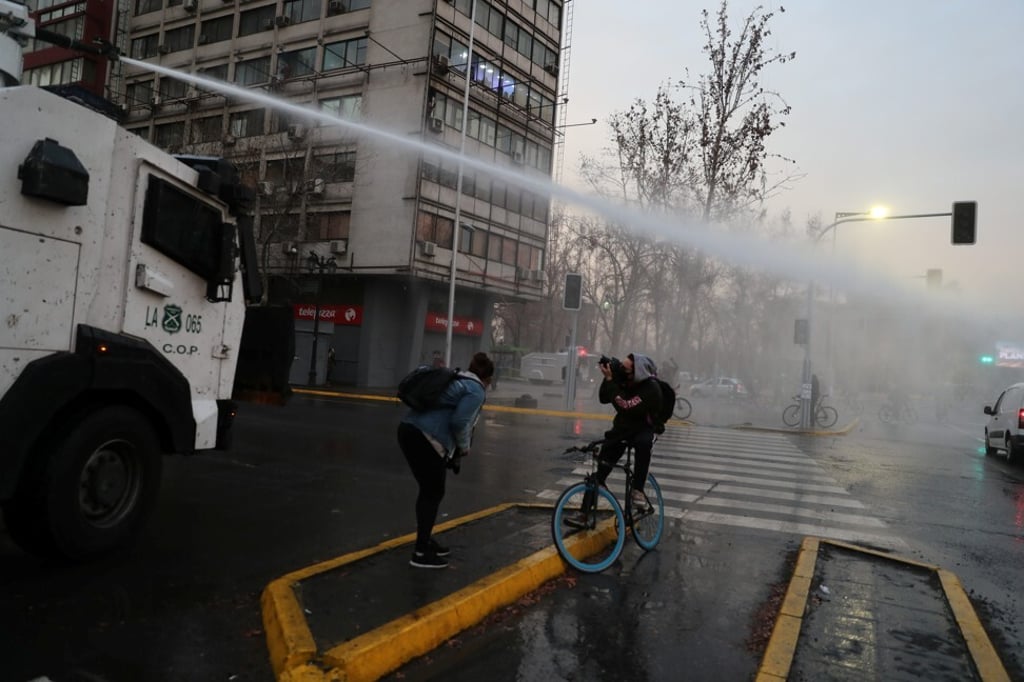
These setbacks come at a time when waves of social unrest are spreading across middle-income countries. With a few exceptions such as Peru or Ghana, the main drivers of discontent have been lacklustre growth, lack of upward mobility, and demands for greater political representation and participation.
To make matters worse, before the Covid-19 crisis, the end of the long commodity supercycle that had boosted middle-income countries’ exports was threatening to reverse rising living standards. Young people feared they would end up where their parents had started a generation ago.
When the pandemic erupted, middle-income country governments responded with lockdowns and economic stimulus. But the effectiveness of these measures has been limited by high urban population densities, sizeable informal economies that make human contact hard to avoid, and financial constraints that are much more binding than in the rich world.