
Hong Kong will remain a great financial centre – only the colour of the money will be different
- Even if offshore investors think our freedoms are being eroded, our commercial freedoms are still much greater than those on the mainland. As long as our commercial law remains unchanged, we have a distinct role to play in China’s economy
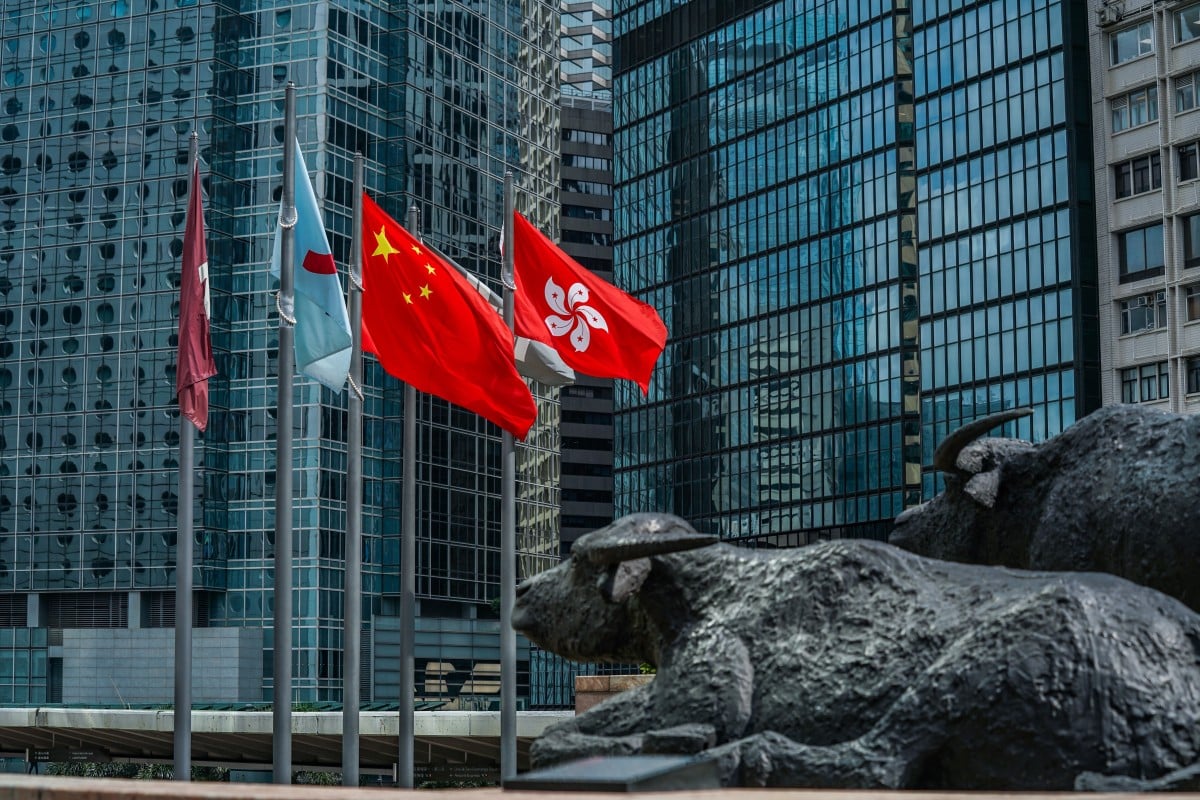
Hong Kong has never stopped changing, and each decade has its particular character. I remember the 1970s as sedate and colonial, the 1980s as a period of incredible growth, the 1990s as uncertain and volatile, the 2000s as a period of blue-sky ambition – and, in the 2010s, we appreciated that the Chinese economy was the boss as we rode on its coattails.
So what of the 2020s? As investors, we must see through a glass darkly and prepare ourselves by developing a scenario for how the Hong Kong economy is being transformed. Hong Kong as part of sovereign China is becoming a red city, inevitably with more mainland Chinese characteristics, but also a few of its own.
We will remain an entrepot and international financial hub as we become more dedicated to serving the second-largest economy in the world. Becoming a red city is not a negative thing – it is just different.
This kind of change just happens. As they say in America, “It’s the economy, stupid.” The best course for Hong Kong – as it has been for the past 179 years – is to let the change take place, without too much interference from any government.
02:45
‘Made in Hong Kong’ sauce factory suffers as US-China tensions escalate
Hong Kong will remain the most important exchange in China even as the old blue chips of the past two centuries, like HSBC, are marginalised. There is nothing political about Hong Kong becoming China’s favoured financial centre; for once, this is straight economics. The combination of financial, human, legal and physical infrastructure in Hong Kong makes it the best city in China for finance and investment.