Advertisement

Opinion
Booming digital economy must still make space for cash, particularly for Asia’s unbanked masses
- Lockdowns and cash hygiene concerns amid the pandemic have fuelled an e-commerce boom, but going completely cashless risks financially excluding many and limits revenue opportunities for merchants
4-MIN READ4-MIN

Tristan Chiappini is vice-president and head of partnerships for Asia-Pacific at PPRO, a specialist for local payment methods and value-added services, with offices worldwide.
With the pandemic, businesses and governments around the world are stepping up efforts to discourage cash in favour of digital and contactless payments. There is a compelling case for moving towards an innovative, digital-first, cashless society, especially in Southeast Asia, to empower small businesses and citizens to access the global digital economy. But going completely cashless may lead to some unintended consequences.
As the world continues its relentless march towards a cashless economy, e-commerce has capitalised on a coronavirus-led boom. PPRO’s transaction engine has seen online purchases across the globe increase dramatically this year: some – such as purchases of women’s clothing – we did not foresee, but others such as food and drink, up by 285 per cent, and health care and cosmetics, up by 160 per cent, were predictable. Overall, these e-commerce levels were not predicted for another five odd years.
In Southeast Asia, the trajectory of e-commerce and digital payments has been nothing short of explosive. With the region’s internet economy hitting US$100 billion for the first time last year, more than tripling in size over the past four years, the sky is the limit as Southeast Asia adjusts to a cashless new normal.
Advertisement
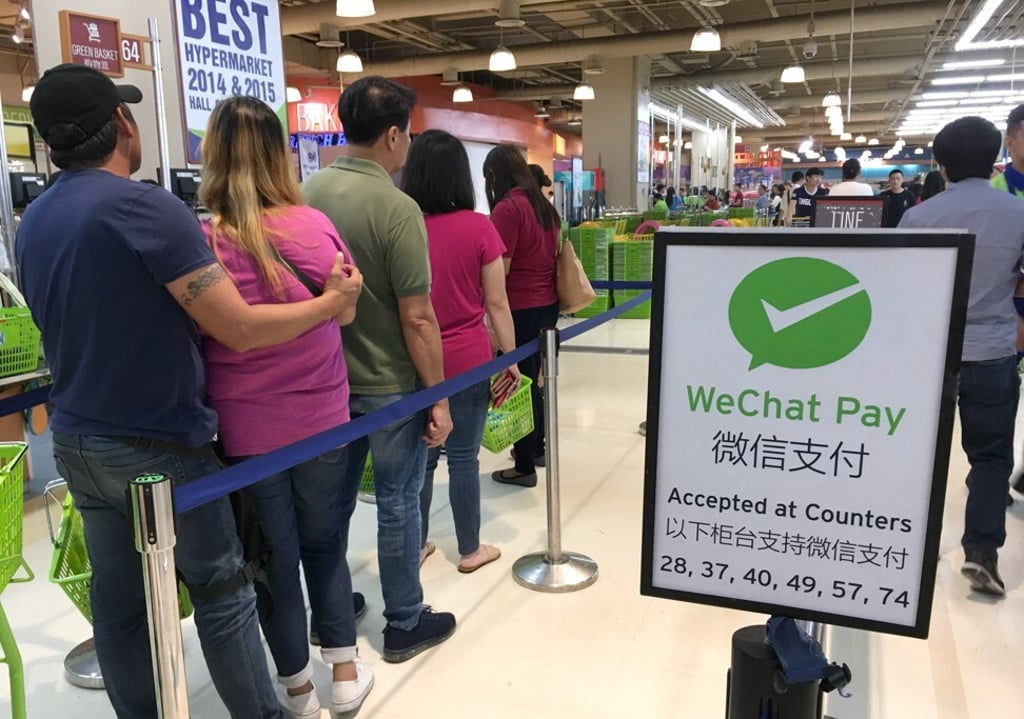
In Malaysia, sign-up rates for Maybank’s MAE e-wallet more than doubled after lockdown measures were introduced. In the Philippines, where cash has traditionally been king, the number of registered users on GCash, the nation’s largest provider of mobile money services, soared 150 per cent in the month from mid-March.
Advertisement
Pre-pandemic, there was a stubborn resistance to digital and contactless payments in this part of the world. In the Philippines, only 1 per cent of retail payments were made electronically five years ago, despite 41 per cent of the population having internet access. In Japan, mobile payments only represented 1 per cent of a US$5 trillion economy.
Advertisement
Select Voice
Select Speed
1.00x