OpinionHong Kong politics: more women can lean in only if barriers are removed
- While women have come a long way in academic achievements, they are still held back by traditional biases and gendered family roles
- Surveys show the public is aware of the additional barriers women face in public life, yet proposals to counter those barriers often amount to mere platitudes

The report, commissioned by the Equal Opportunities Commission, also examined views on different policies for increasing female representation in political leadership and eliminating hurdles encountered by women.
Granted, there’s nothing surprising in the findings. If anything, they confirm the sad fact that things have remained pretty much the same for women. While women have come a long way in terms of academic achievements, they continue to be held back by traditional gender biases and gendered family roles. We know better than to expect perceptions to change overnight, but it may be shocking to see how little has changed.
Gender stereotypes stubbornly persist in public perceptions of policy areas. The study found that more than half of the general public believed that men were more capable in dealing with security affairs, economics, finance and trade, while women were more capable in social welfare and education.
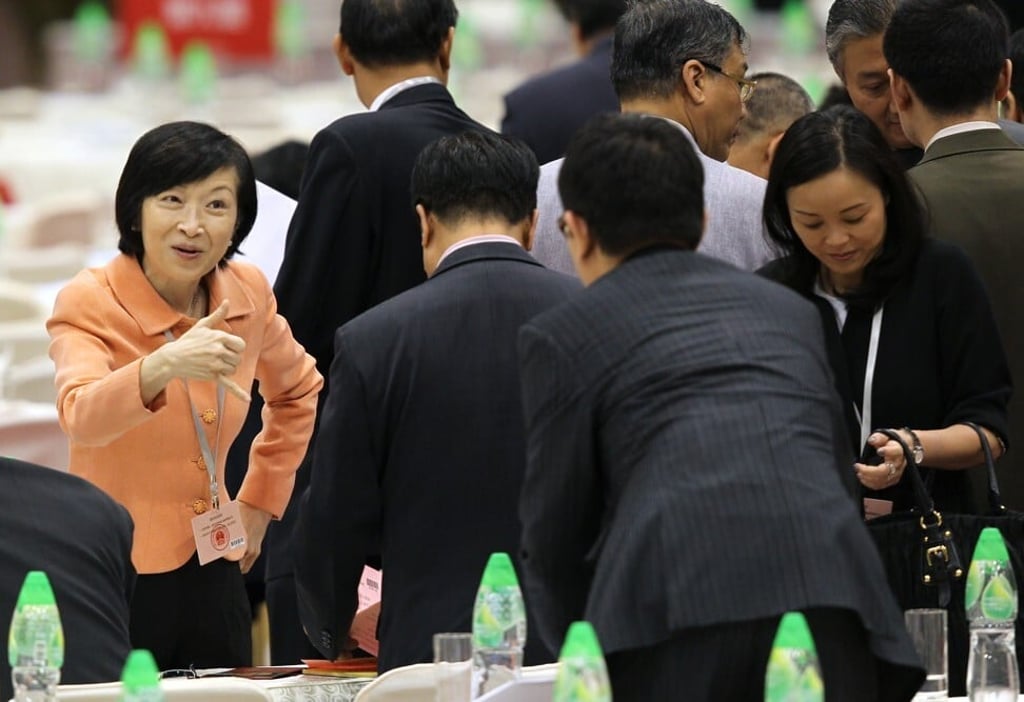
However, if we look at education, there has only been one woman who served as Hong Kong’s education minister in the history of the office. Fanny Law Fan Chiu-fun served as what was then called the office of the Secretary for Education and Manpower under the Tung Chee-hwa administration. Law is also the shortest-serving education minister, though, ending her term of office a few days shy of two years.