
Trump administration is playing a dangerous game on Taiwan
- China-US tensions are at their highest levels in more than 20 years and, in an election year, members of the American Congress should think long and hard before approving arms sales to Taipei

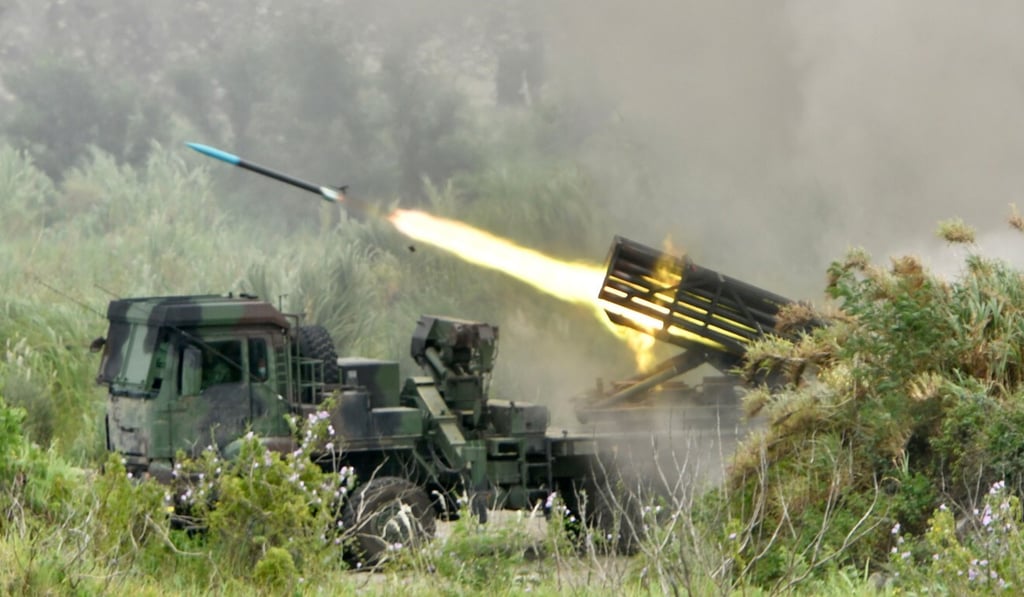
Provocative and intimidatory military moves have raised the risk of conflict across the Taiwan Strait to levels not seen in more than 20 years. Tensions have peaked with news of American proposals to sell more advanced weaponry to Taiwan, and of Beijing upgrading missile bases on its southeast coast to prepare for a possible invasion.
US President Donald Trump’s latest request for congressional approval of arms sales, sent in the heat of an election campaign, is clearly provocative, coming on top of a hardened American stance on China and support for Taiwan and its independence-leaning president, Tsai Ing-wen. Congress needs to consider it very carefully before adding to the tensions. The request followed a visit to Taiwan by US health secretary Alex Azar, the highest-ranking official to visit Taiwan in 41 years, which Beijing said violated its core interests under the one-China principle. Beijing considers Taiwan to be a breakaway province to be reunited with the mainland by force if necessary.
Analysts see China’s military preparations, including land drills and fighter and bomber missions over the Taiwan Strait, more as an attempt to step up pressure through intimidation, short of provoking physical conflict. But the risks should not be discounted lest miscalculation leads to a shooting war.
In that respect, unusually strong language in a recent commentary in Communist Party mouthpiece People’s Daily, invoking the phrase “don’t say we didn’t warn you”, serves as a reminder. Historically it is a severe warning issued before military operations including, more recently, against Indian and Vietnamese troops in 1962 and 1978, respectively.
In this case the commentary was targeting a big rise in the number of Taiwanese intelligence agents active on the mainland, but was aimed at a much wider audience.