Advertisement

Opinion
China has a golden opportunity to show global leadership, with a WTO fisheries deal
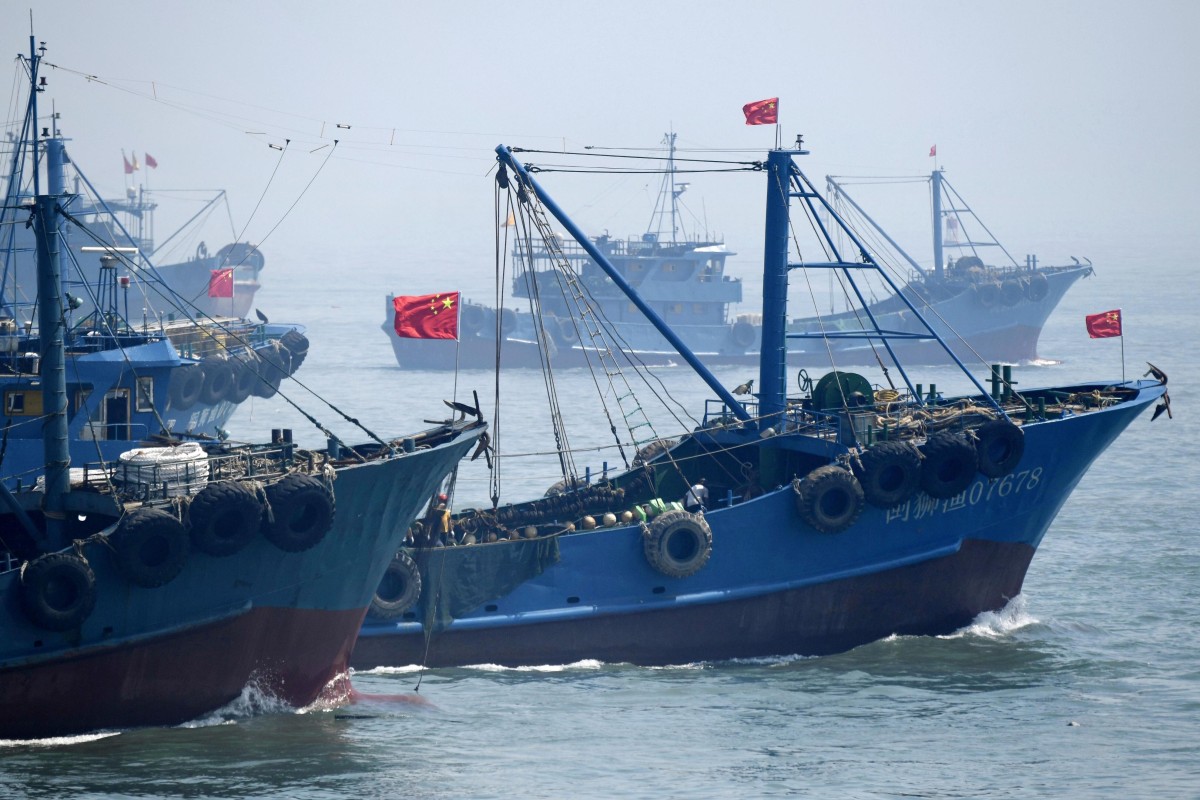
- China is a fishing superpower. If Beijing is truly committed to a rules-based multilateral trading system, it must show leadership in securing a meaningful WTO agreement to tackle global fishing subsidies and curb overfishing
4-MIN READ4-MIN
Kristen Hopewell is Canada Research Chair in Global Policy at the University of British Columbia and the author of Clash of Powers: US-China Rivalry in Global Trade Governance.
States will gather at the World Trade Organization in Geneva next week for intensive negotiations to establish new international rules restricting fisheries subsidies. Reaching a successful agreement is seen as essential to demonstrating the continued relevance of the WTO and its system of global trade rules. The big question on everyone’s minds, however, is what role China will play.
With the WTO under assault from the Trump administration, China has sought to position itself as a defender of free trade and the liberal trading order. President Xi Jinping has frequently contrasted President Donald Trump’s “America first” agenda with China’s commitment to multilateralism and a rules-based trading system, while signalling China’s intention to assume a more significant leadership role on the international stage.
It is not enough, however, to simply assert that one is a leader – such claims need to be backed by action. If China is truly interested in preserving the multilateral trading system, it should show leadership in securing a meaningful, ambitious WTO agreement to tackle global fisheries subsidies.
Advertisement
The UN Sustainable Development Goals include an urgent target: a WTO agreement on eliminating harmful fisheries subsidies has been listed as an international priority, and states have been tasked with securing such an agreement by the end of this year. As one of the active areas of multilateral trade negotiation, this is viewed as a crucial test of whether the WTO has a future. The goal is to achieve a triple win – an outcome that is positive for trade, development and the environment.
The world is in the midst of an escalating fisheries crisis. Overfishing has led to the rapid depletion of fish stocks, causing the productivity of fishing harvests to plummet. The UN Food and Agriculture Organization estimates that 90 per cent of global fish stocks are already fully exploited and almost a third are being fished at biologically unsustainable levels.
01:57
China imposes a 10-year fishing ban for Yangtze River to protect marine biodiversity
Subsidies have played a major role in the current crisis by fuelling overcapacity and overfishing (too many vessels chasing too few fish, in other words). An estimated US$35 billion in fisheries subsidies are provided annually, with the vast majority going to large-scale, industrial fishing operations.
Advertisement
Select Voice
Select Speed
1.00x