
So you think Hong Kong police create rioters
- A policing expert repeats the favoured tale of the anti-government protest movement that happens to fit his earlier theory on crowd control to a tee

It follows to a tee his earlier notion or theory of how “coercive” policing – rather than one based on consensus and community building – causes crowds such as British football fans, to become more violent than they would otherwise.
Stott is the lead author of “Patterns of ‘Disorder’ During the 2019 Protests in Hong Kong: Policing, Social Identity, Intergroup Dynamics, and Radicalisation”, published in Policing: A Journal of Policy and Practice.
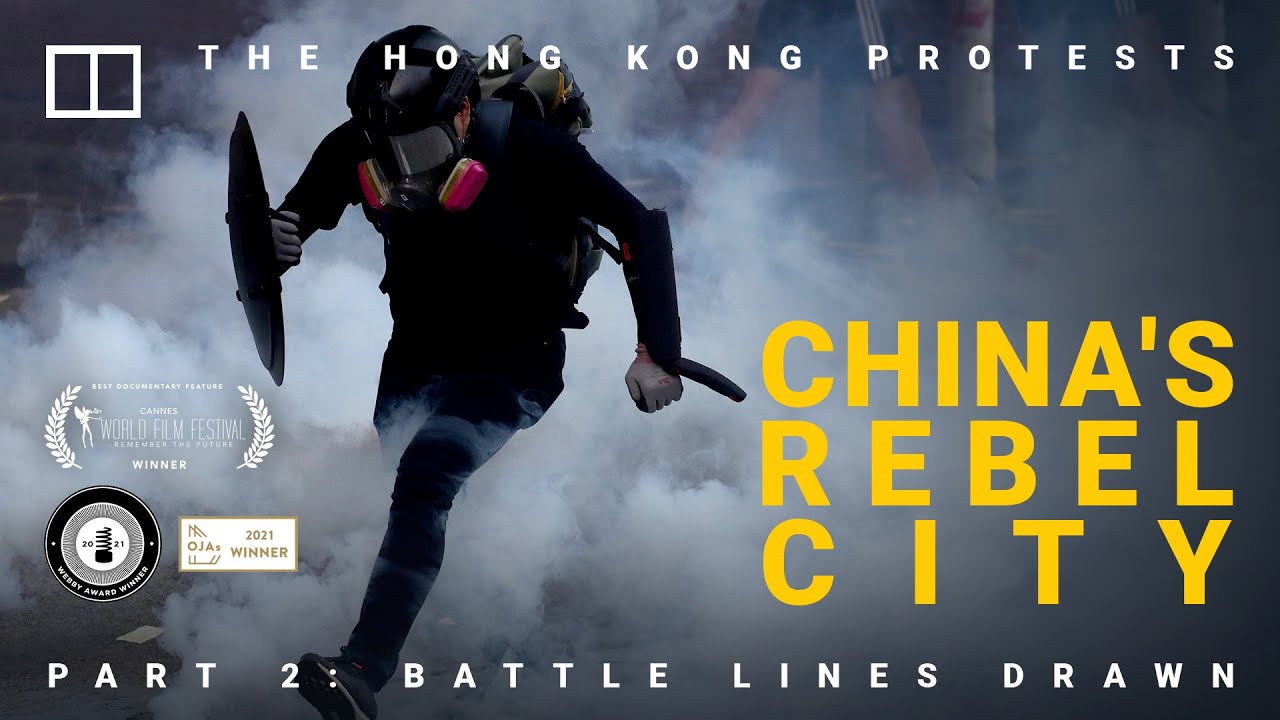
As we have heard before, the firing of tear gas by police outside the Legislative Council complex on June 12 last year marked a “pivotal moment” when they were first seen as “illegitimate” and “partisan”.
Then the July 1 occupation of the legislature consolidated and empowered the group identity of the protesters and unified a sense of common purpose.