
UN recognition of tai chi long overdue
- The pursuit’s addition to Unesco’s intangible cultural heritage of humanity list comes at a time when China is being buffeted on all sides by anti-Chinese sentiment. The practice can also be a vehicle to promote understanding, here and abroad

There is no better way to promote Chinese culture and understanding than through an internationally practised activity. The United Nations educational and cultural arm, Unesco, has highlighted such a possibility through recently adding taijiquan, more commonly known as tai chi, to its intangible cultural heritage of humanity list.
More than 100 million people in 150 countries and regions are estimated to be devotees of the centuries-old pursuit. While many think of it as an exercise or sport, it is grounded in many aspects of life in China, from medicine to literature and philosophy to art.
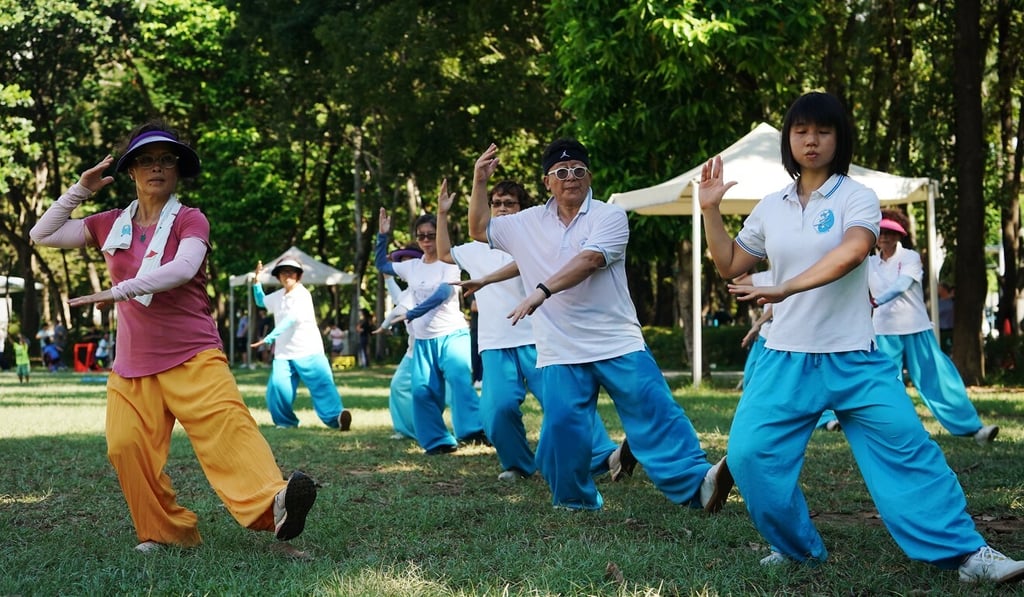
Tai chi is the main form of exercise for middle-aged and elderly Chinese, who take to parks and other open spaces in droves usually early in the morning where they practise the slow, smooth back and forth movements or a faster variety through dance.
Practitioners contend it has significant health and mental benefits, improving circulation, building physical strength and inner peace and well-being. Those who master the art can also find it a useful form of self-defence. Understandably, it is being increasingly embraced around the world as a means of improving physical fitness and reducing stress.
The popularity of tai chi in China and beyond is so great that it is a mystery as to why it has taken so long for Unesco to recognise it; the initial application was made 12 years ago. Indian yoga was added to the list last year and the South Korean martial art taekkyeon , in 2011.