
Editorial | Vietnam has more to do on path to growth
- Having beaten Covid-19, the nation’s recovery is gathering pace but its leaders still have to strike a balance in their relations with China and the United States, and between economic liberalisation and political control

Economic planning at this time would normally prioritise recovery from pandemic-induced recession. What sets rising middle-power Vietnam apart is that it has beaten the coronavirus to become one of the few countries to post positive growth last year.
The just concluded national ruling party congress, held every five years, therefore looked beyond Covid-19. It will also have an impact well beyond Vietnam’s borders. Key issues include striking a balance in relations with its two biggest trading partners – China and the United States; and between further economic liberalisation and political control.
Despite achievements against the odds, Vietnam is only on the brink of realising its full potential. To do so, it must first shake off the shackles of corruption, nepotism and stifling bureaucratic inertia – hangovers from the days of high inflation and weak growth of a decade ago – and further restructure its economy.
Communist Party chief Nguyen Phu Trong, 72, re-elected for a rare third term, vowed to resume his crackdown on corruption as he pursued economic goals. Delegates approved a five-year blueprint that calls for private companies to account for more than half of the economy by 2025 from 42 per cent, and to almost double per capita gross domestic product to between US$4,700 and US$5,000 by 2025.
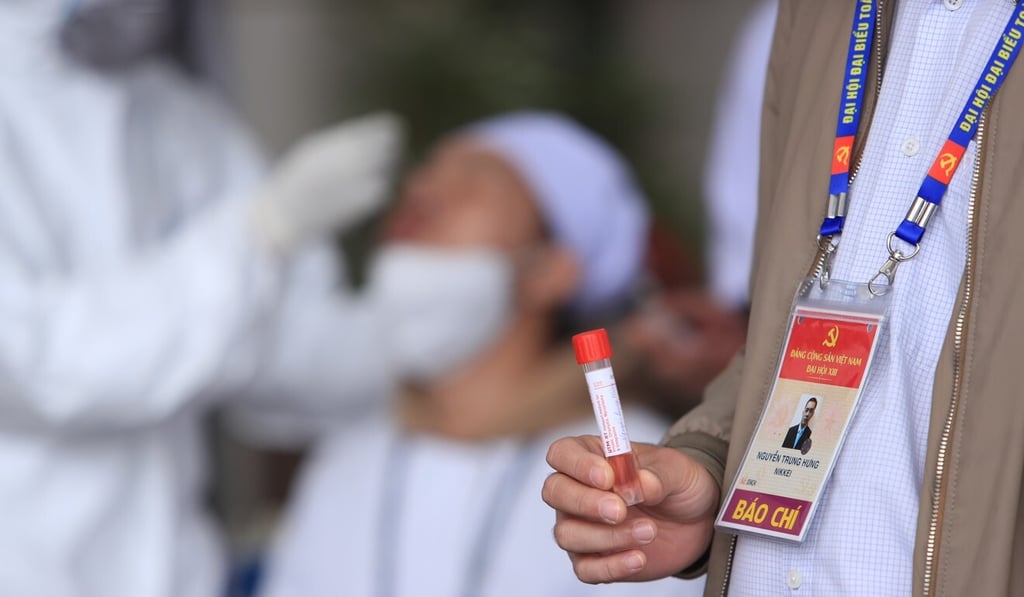
According to the World Health Organization, Vietnam has reached “safe coexistence with Covid-19” in which it has achieved both disease control of 1,500 infections and 35 deaths, and economic development. The economy grew 2 to 3 per cent in 2020, and this year it is expected to grow more than 6 per cent. But Hanoi has found itself in the crossfire between China and the US, which increasingly sees Vietnam as strategically important.