Advertisement

On Balance | A stronger Quad to counter China is on the cards
- It is understandable that Tokyo, New Delhi and Canberra are more inclined to stand with Washington against Beijing
- China shows no signs of relenting, though, and that will only solidify the grouping
3-MIN READ3-MIN
80

March 2021, in the realm of international relations, might emerge as significant as March 2020 was for global health and economics.
Great power alliances have shifted for centuries, and it’s only ever been through a long historical lens that we can determine which move weighed most heavily in checking the influence of any of the major players on the world stage.
We don’t know yet whether the “Quad” will be as forceful as the North Atlantic Treaty Organisation or as ineffective as the Shanghai Cooperation Organisation, which includes India and China, yet failed to forestall the violence on the two countries’ border last year.
Advertisement
Critics will dismiss the Quad as an exercise in posturing that will become a footnote in the US-China power struggle. Alliances, even those not considered to be military defence pacts, are taxing for governments, especially now that so many countries are struggling to get through the pandemic.
But the sincerity of the Quad’s formal starting point makes it hard to imagine a quick death. The statement that the group produced last week was fascinating in the way that it didn’t mention China by name. Australia, Japan and India each have their reasons, cultural and strategic, for wanting to stop short of an explicit poke in Beijing’s eye.
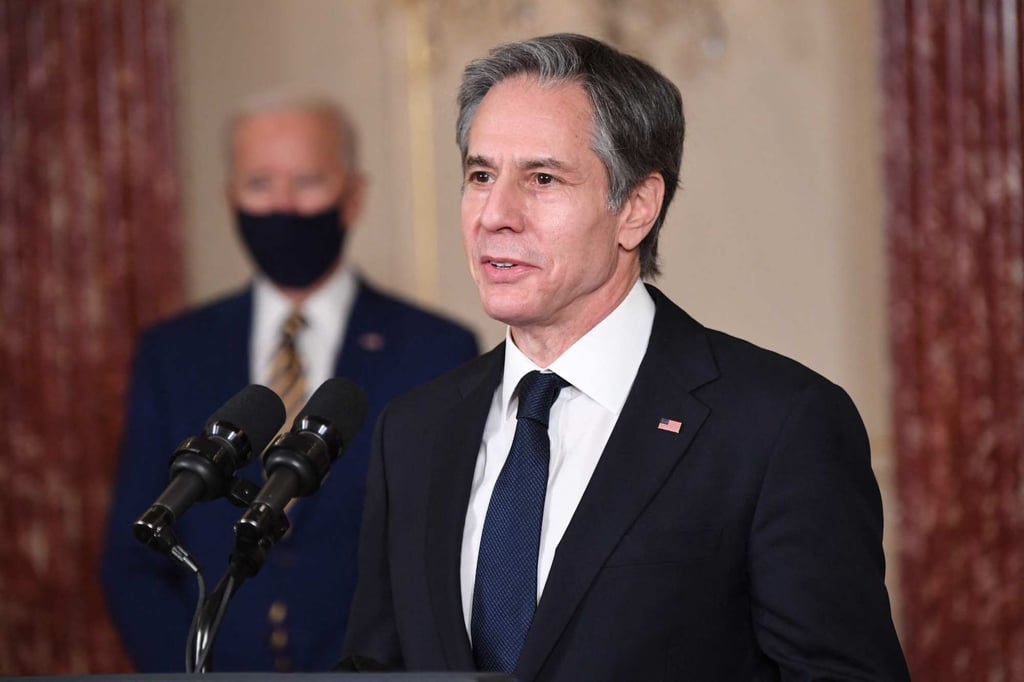
Biden, who commands the world’s most powerful military force and leads a population more deeply suspicious of China than ever, has no such reservations. Much of his interim national security strategic guidance was built around the threat Beijing now poses. China, it says, “is the only competitor potentially capable of combining its economic, diplomatic, military, and technological power to mount a sustained challenge to a stable and open international system.”
Advertisement
Select Voice
Select Speed
1.00x