
Chinese consumers are willing to retaliate over perceived national slights
- The consumer and celebrity boycotts of multinationals over refusal to use cotton from Xinjiang reveals that Chinese no longer opt blindly for foreign brands and that doing business in China means more than compliance with regulations

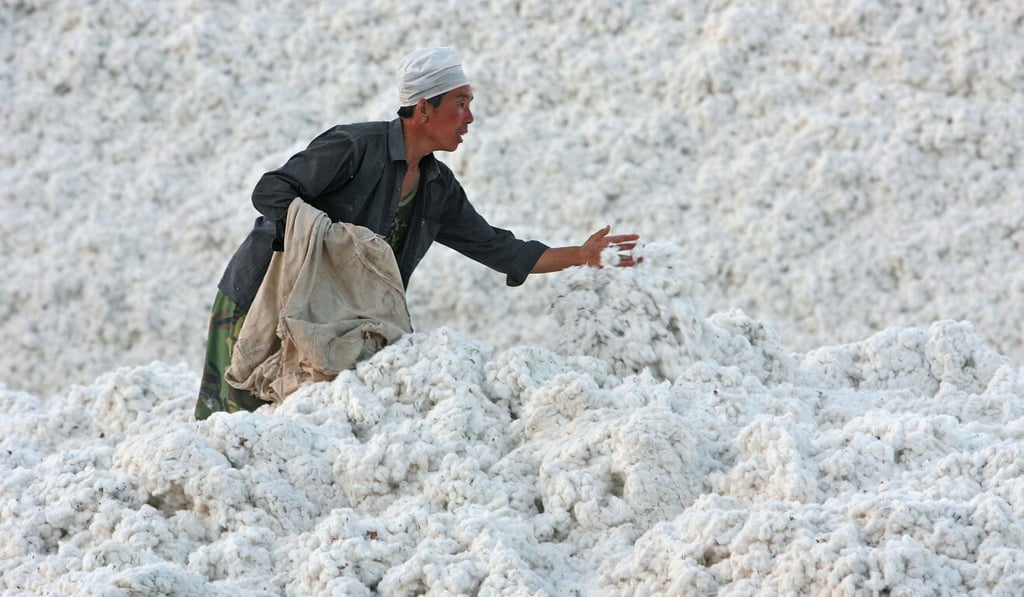
Consumers can be no match for the power of multinational business. But when the world’s biggest consumer market takes on Western capitalism, it can escalate into an international confrontation, like the one now playing out in China through consumer and celebrity boycotts of multinationals over refusal to use cotton from Xinjiang.
This is what comes from mixing politics with business.
Swedish international fashion retailer H&M was the first to face a boycott on the mainland after saying last year it did not source cotton from Xinjiang, the restive far western region where activists have accused China of using Muslim Uygurs as forced labour and other human rights abuses. The issue came to a head after the West imposed sanctions on China over its Xinjiang policies.
H&M’s products have been removed from major e-commerce platforms. The backlash has spread, as state media postings named other companies such as Burberry, Nike, New Balance and Adidas among those that have also said they did not source Xinjiang cotton, under a sustainability programme called Better Cotton Initiative.
Celebrities have ended endorsement deals with international firms, including Hong Kong singer Eason Chan Yik-shun, who said he had ended all relationships with Adidas.
Beijing has repeatedly denied the allegations, pressing the firms to reverse course and respect the views of Chinese consumers.