Beijing reads Noam Chomsky
- When Washington goes into overdrive over human rights, it’s a sure sign that it is about to violate a lot more of them

Call it whataboutism, state propaganda, Chinese hypocrisy, or whatever. But the latest report by the state-controlled China Society for Human Rights Studies blaming the United States for causing the most humanitarian disasters with its “aggressive wars” and military interventions over many decades makes for compelling reading.
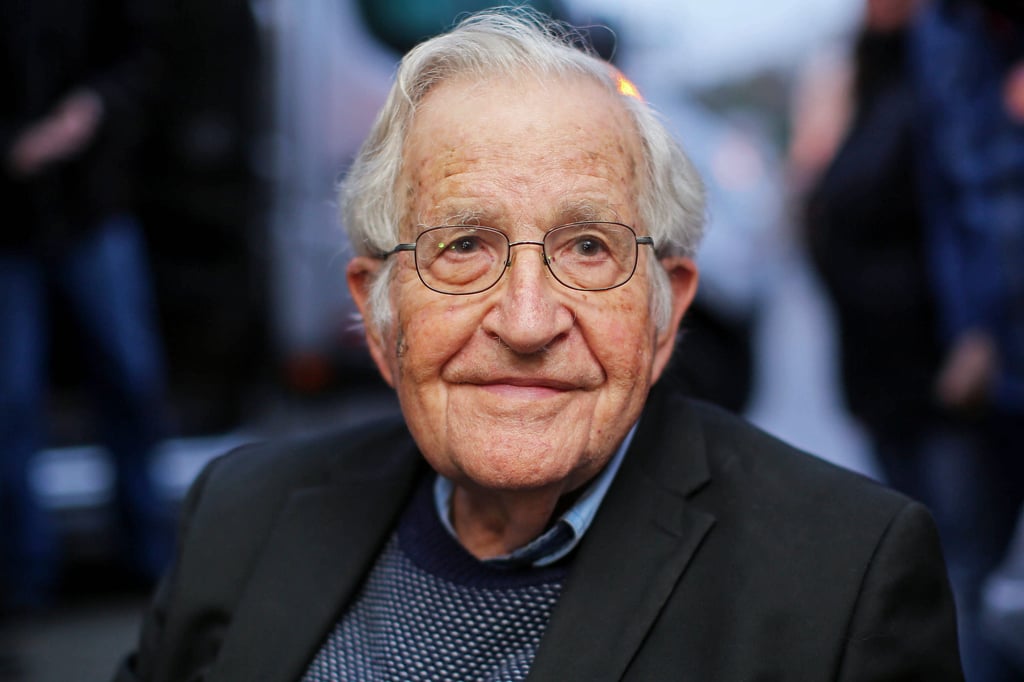
It reads like an updated version of the political work of Noam Chomsky, the world-famous linguist who is best-known for his critique of US foreign policy and its disastrous consequences around the world.
Since the 1960s, the nonagenarian scholar who is one of the seminal thinkers of the 20th century, has been exposing the duplicity of the mainstream US media, including its most respected newspapers and magazines, to enable the American war machine and/or its allied right-wing dictatorships to roll over any country or popular movement it deems to be a threat to US national security or business interests, all usually amounting to the same thing.
As recounted or counted by the Chinese human rights group, out of 248 armed conflicts globally from 1945 to the present, the US had started 201 of them; that’s 81 per cent!
Actually, that’s not quite fair. It should have qualified as having initiated, supported, prolonged, financed and/or otherwise enabled continuing the killings and misery way longer than the conflicts would have ended by themselves; and more recently, in Syria, Libya and Yemen.