
Trials heard without a jury should only be a last resort
- The public’s involvement in the criminal justice process boosts confidence in the system. Jurors in Hong Kong take this civic duty very seriously and can be trusted with security cases

Trial by jury is one of the oldest and most highly valued features of Hong Kong’s legal system. Members of the public, selected at random, are parachuted into court to consider evidence and return verdicts in the most serious criminal trials.
This has been a core feature of the justice system since 1845. It survived the city’s return to China in 1997 and is protected by the Basic Law. But a departure has now been made from the long-standing position that all criminal cases at the Court of First Instance be tried by a jury.
The national security law, passed last year, gives the secretary for justice a new power to certify that such trials can, in certain circumstances, be tried by three judges instead of a jury.
There had been hopes this power would be rarely, if ever, used. But the justice minister, Teresa Cheng Yeuk-wah, directed there be no jury for the trial of the first person charged under the security law.
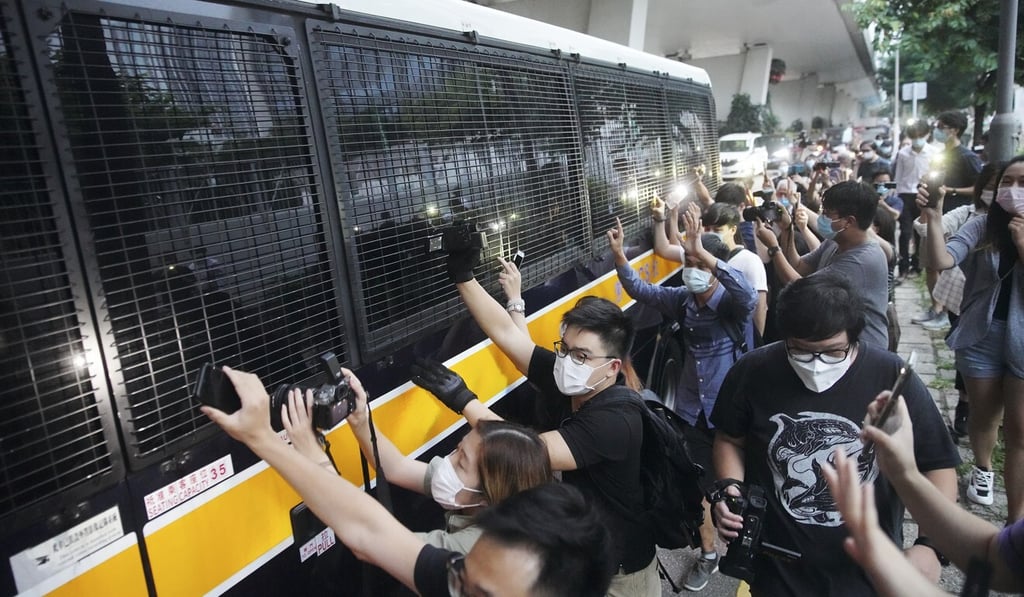
Last week a court rejected a challenge to the legality of that decision. Tong Ying-kit, 24, will be tried next month on charges of terrorism and incitement to commit secession. He is accused of riding a motorcycle into police officers at a protest on July 1. If convicted, he faces a sentence of up to life imprisonment. But there will be no jury. This will be a landmark in Hong Kong’s legal history.
The secretary for justice gave two reasons for her decision, the safety of jurors and their families and the risk that the administration of justice might be impaired. She did not provide further details.