Advertisement

Opinion
Why Biden has been a disappointment to Southeast Asia so far
- While Asean policymakers and thought leaders welcomed Biden’s election, four months into his presidency, Southeast Asian nations feel they have been largely frozen out by Washington
- In contrast, Chinese leaders have maintained robust communications with their regional counterparts
3-MIN READ3-MIN
22

Richard Javad Heydarian is an Asia-based academic, currently a Professorial Chairholder in Geopolitics at the Polytechnic University of the Philippines.
“They had learned nothing and forgotten nothing,” French diplomat Charles Maurice de Talleyrand-Périgord once reportedly lamented in response to the House of Bourbon’s inability to learn from even recent history. Soon, France was gripped by another revolution, led by Napoleon Bonaparte’s nephew, which swept away the ancien régime for good.
Two centuries later, the world’s reigning superpower has exhibited a similar inability to learn from even what it remembers perfectly. And it’s in Southeast Asia where this dynamic of benign neglect and strategic amnesia is on full display.
After four years of Trumpian disruption, the Association of Southeast Asian Nations policy elite welcomed Joe Biden’s victory. According to a survey by the Singapore-based ISEAS Yusof-Ishak Institute, 61.5 per cent of Southeast Asian respondents preferred aligning with the United States over China, reflecting how the region’s “support for Washington may have increased as a result of the prospects of the new Biden Administration.”
Advertisement
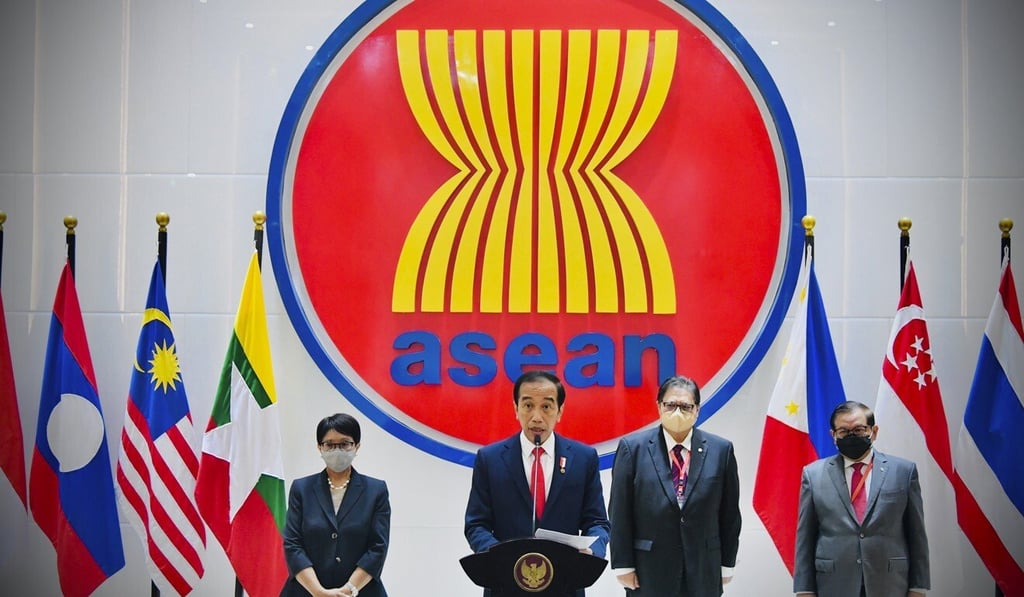
This unusually high level of optimism was not entirely unfounded. The return of veteran diplomats and former Obama administration officials, raised hope of a renewed “golden age” of US-Asean relations. Four months into Biden’s presidency, however, Southeast Asian nations feel they have been largely frozen out by Washington.
Advertisement
From the outset, the Biden administration placed Asia at the centre of its foreign policy agenda. This was partly a reflection of the region’s growing economic importance, as well as America’s determination to pivot away from traditional theatres such as the Middle East.
Advertisement
Select Voice
Select Speed
1.00x