
EditorialClearer picture needed on film censorship
- Moves to tighten law have further fuelled fears for city freedoms, and red lines need to be spelt out to ensure artistic expression and creativity continue to be allowed and encouraged

The chilling effect of the sweeping national security law has been increasingly felt across the city, with sensitive books removed from shelves and films taken off screens. The latest move by the government to further tighten the film censorship law is bound to create deeper anxiety.
It is important that powers and restrictions be clearly spelt out to help the industry steer clear of “red lines”.
June’s revised censorship guidelines already prohibit screening of content that is objectively and reasonably capable of being perceived as endorsing, supporting, promoting, glorifying, encouraging or inciting acts or activities that amount to an offence endangering national security.
The proposed amendments announced on Tuesday further empower the chief secretary for administration to retrospectively ban films deemed “contrary to the interest of national security”.
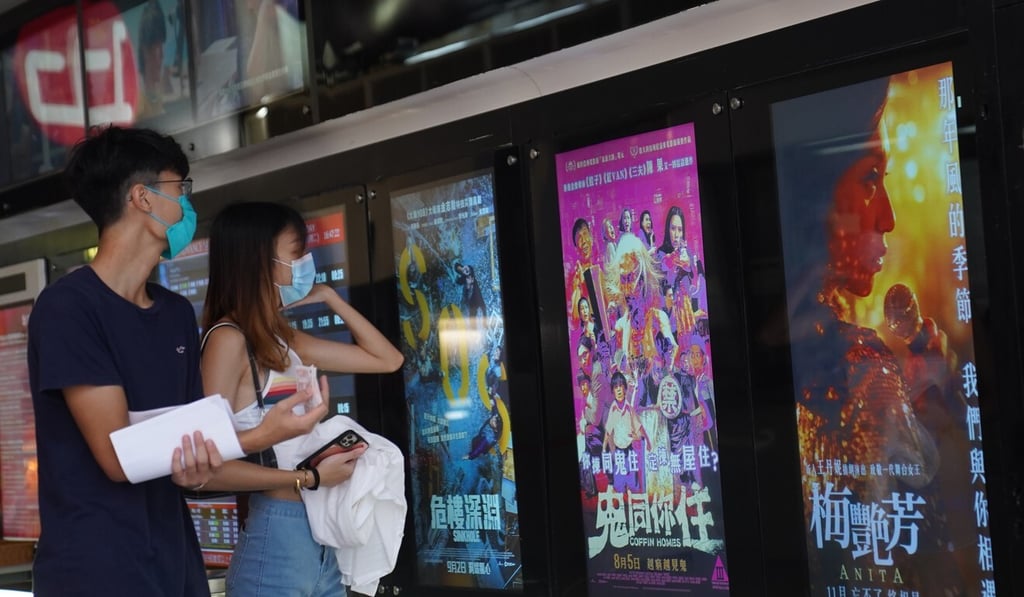
In addition to raising the maximum penalty for unauthorised screenings to three years in prison and a HK$1 million fine, the usual appeal process cannot apply to cases banned on national security grounds, leaving judicial review – usually a lengthy and costly process, as the only avenue for redress.