
EditorialRed lines need to be clear so civic-minded advocacy can remain
- Independent public advocacy by professional bodies such as the Law Society can inform debate, for example about proposed legislation or changes to existing laws. The loss of such advocacy as opposed to political agendas because of doubts about the boundaries would be regrettable

An internal election in a professional body rarely makes big news, especially if it upholds the status quo. An exception is the annual election for seats on the council of the Law Society, the city’s largest association of lawyers, known for a relatively neutral if not pro-establishment stance. A clean sweep by Beijing-friendly candidates left liberals in the minority. The result was expected.
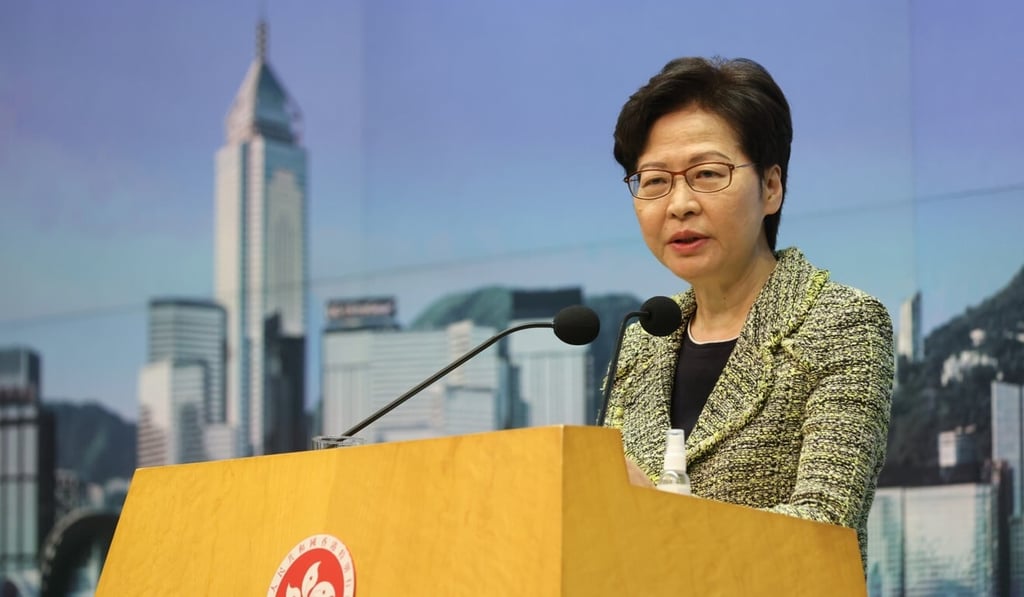
But a number of factors set it apart. Four liberal-leaning contenders had made a power shift possible, before one withdrew, claiming to be the target of intimidation. Chief Executive Carrie Lam Cheng Yuet-ngor warned the society that politicisation instead of focus on professional responsibilities could prompt the government to sever ties.
As a result the society’s statutory power to self-regulate, including licensing and discipline of the profession, was at stake. Lam’s warning delivered a chilling reminder of the fate of the Professional Teachers’ Union, which disbanded after the administration severed ties over its anti-government stance.
Comparison is debatable. The PTU was an actor in political turmoil that divided society. The Law Society has a legitimate role in raising current issues from the legal perspective.
In the current climate, as Beijing tightens its grip on the city, this is fraught with the risk of perceptions of political agendas. Indeed, some see it as politicisation of issues beyond its remit. Beijing and its allies have singled out Bar Association chairman Paul Harris in particular for his comments criticising the national security law.