
Living near a volcano will always be a risk
- Scientific research improves the accuracy of eruption forecasts and helps save many lives, but no matter how good these forecasts, being close to a volcano will never be safe

Scientists strive to make nature less unpredictable. But the recent eruption of the Mount Semeru volcano on the Indonesian island of Java was not foreseen, even though there are 130 such landforms active in the country.
At least 34 people were killed by the lava, gas and debris that spewed from the crater and more than 20 are still missing, dozens hurt and thousands made homeless. In the midst of the Covid-19 pandemic, the tragedy is proof that for all our efforts to understand the world around us, there is still much to be learned and appreciated.
About 70 per cent of Indonesia’s population of 270 million lives within 100km of an active volcano, far higher than the global estimate of 14 per cent. Of that number, 8.6 million Indonesians live within 10km, which is well within range of deadly pyroclastic flows.
Fertile volcanic soils attract farmers, requiring a careful balance between livelihoods and risks. For poorer communities, there is sometimes no choice – as in 2010 with the eruption of Mount Merapi near Yogyakarta that killed 353 or of Mount Singabung in north Sumatra in 2013 that sent thousands fleeing. The archipelago sits astride the Pacific Ring of Fire and Semeru is the latest catastrophe.
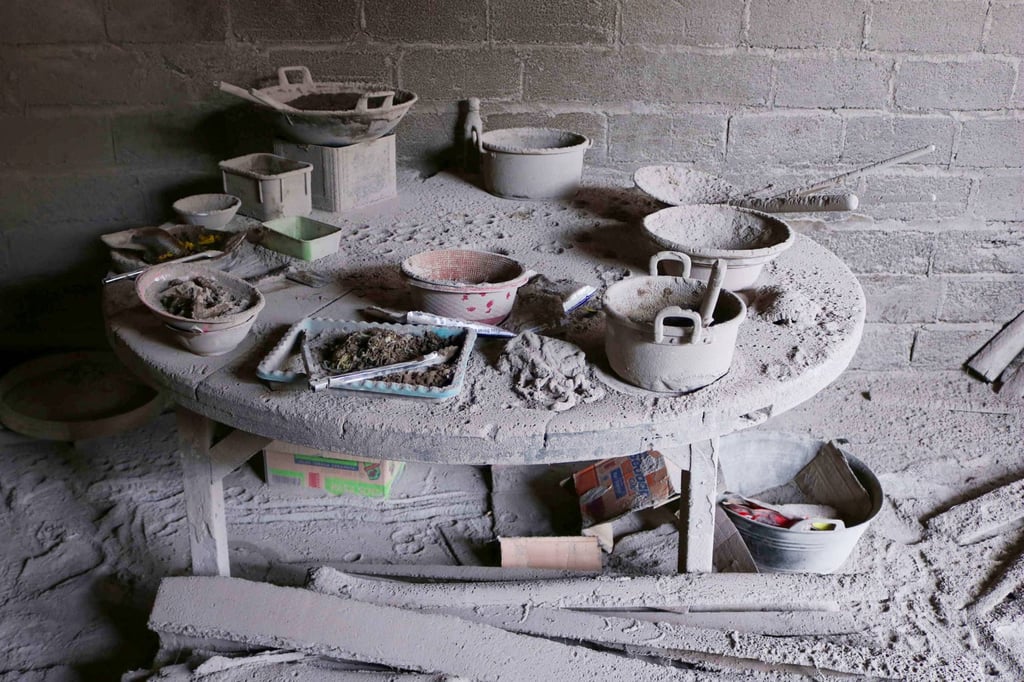
Semaru is among the most active volcanoes in Java; there have been regular pyroclastic flows, lava avalanches and emissions of ash hundreds of metres above the crater since 2014.