
Despite currency woes, Turkey may be right to cut interest rates
- Hit with multiple challenges including double-digit inflation, Turkey’s decision to protect domestic production over its exchange rates may be its most sensible choice
- If the adverse impact of a lira slide can be mitigated with government support, so much the better

Despite widespread ridicule, Turkey is persisting with reductions of its benchmark interest rates. While this may have contributed to the sharp declines in the exchange rates of the Turkish lira, it may prove to be a very sensible policy over time.
Turkey’s economy is in a tough spot: inflation is at double-digit rates; foreign exchange reserves are less than plentiful; and the corporate sector has to navigate a turbulent business environment.
But, when there are many competing policy objectives, it is crucial for the government to focus on the most important one. Turkey has chosen domestic production over and above exchange rates and I think that is a wise move.
In 1997-98, a more severe currency crisis raged through Thailand, South Korea and Indonesia, bankrupting countless businesses and making millions jobless. The three governments sought assistance from the International Monetary Fund. But the IMF imposed harsh “conditionalities” on its bailout funding, forcing these countries to raise interest rates and tighten fiscal expenditures.
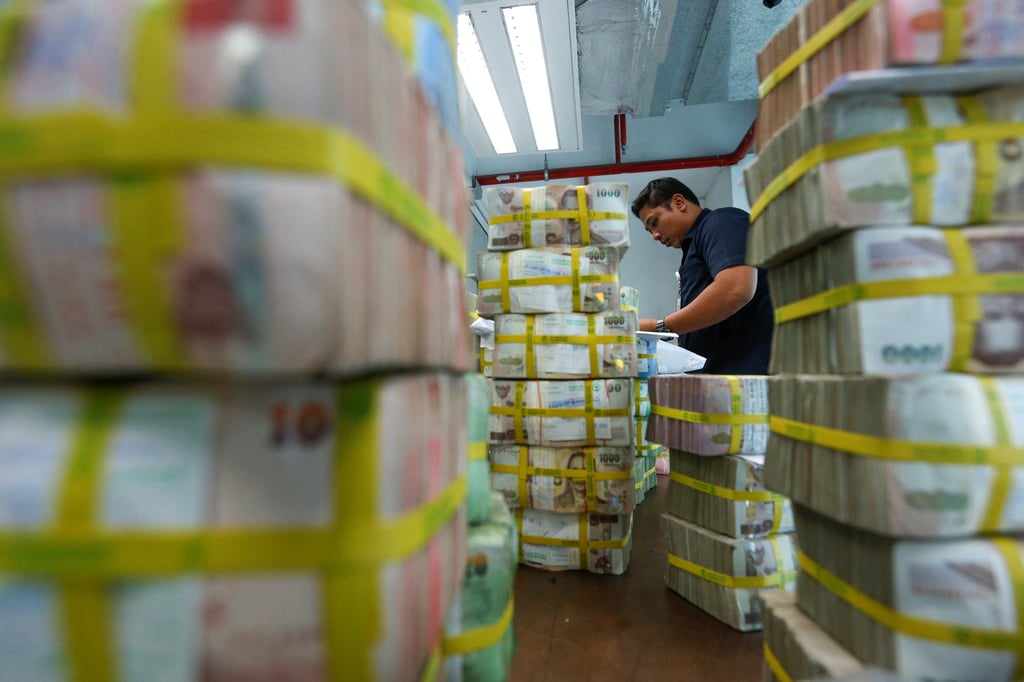
However, instead of stemming capital flight, higher interest rates only caused a sharp contraction of economic activities and even more hardships. Only years later were the conditionalities relaxed and the three countries allowed more breathing space. There is now a consensus that the austerity in those years was counterproductive.
What we also learned through the crisis is that exchange rates are not the most important policy objective in a chaotic situation. During a time of uncertainty, you cannot expect to attract hot money inflows just because your interest rates are a few percentage points higher. And hot money is not helpful to your fundamental economy anyway.