China’s economic recovery depends on policy support and a viable Covid-19 exit strategy
- Despite stimulus measures, including cuts to bank borrowing costs, tax breaks for businesses and more infrastructure investment, sentiment could remain weak unless China can avoid further lockdowns

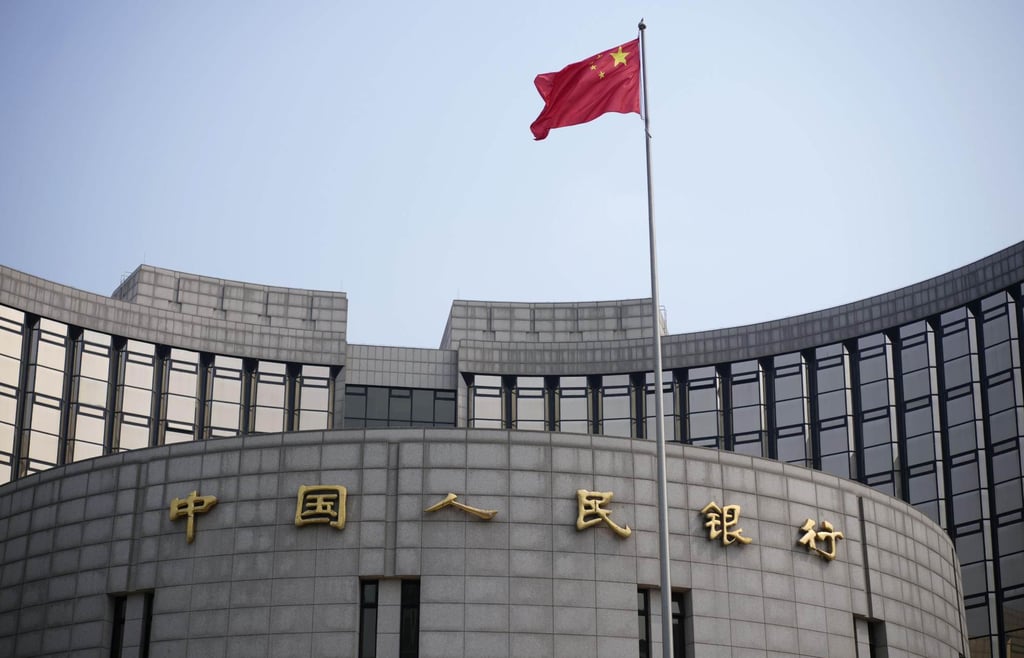
Apart from lowering financing costs, the central bank also provided guidance on increasing the quantity of credit for small and medium-sized enterprises and highly affected sectors. A number of fiscal measures have also been announced.
Despite all the stimulus measures, we need to follow the data when trying to understand the macro cycle in China. Looking at the monetary side, the credit impulse only picked up modestly from historical lows, highlighting both the lack of credit demand and the targeted nature of policy easing so far.
Even with the tone from policymakers turning more supportive since April, credit growth only saw a small increase. Credit expansion was well above 30 per cent of GDP during both the 2015-16 and 2020 easing cycles, but it has been substantially smaller this time. This is important because economic activity tends to closely trail credit growth with a lag of two or three quarters.