
My Take | Beijing needs to bite the bullet over Covid-19
- Chinese people need guidance with a timeline on how to ease measures and reopen society. Higher death rates are inevitable, but they don’t take away the credit for Beijing’s early successes as the virus has mutated into different forms

Biologists and philosophers of science like to argue whether viruses are alive; many actually think not. However, I sometimes wonder whether they are intelligent. Perhaps not intelligent as in IQs, but their evolution certainly has a way of outsmarting the best of medical researchers and most certainly less intellectually endowed politicians.
Just consider all those variants of Covid-19 that I have lost track of. Political and medical leaders around the world have had a hard time dealing with just basic variations. Consider the simple combinations: less contagious but deadlier; and more contagious but less lethal.
When the pandemic first broke out at the start of 2020, many Western pundits claimed democracy was inherently more capable of dealing with it. By the end of the year, China emerged triumphant as it appeared not only to have got rid of it, but was also the only major economy to have achieved slight positive growth.
How things have changed in less than two years. Now, the situation has been reversed. The Chinese economy is in the doldrums while most countries are reopening. As Chinese officials impose lockdowns, a frustrated population is starting to resist. Protests are spreading from city to city.
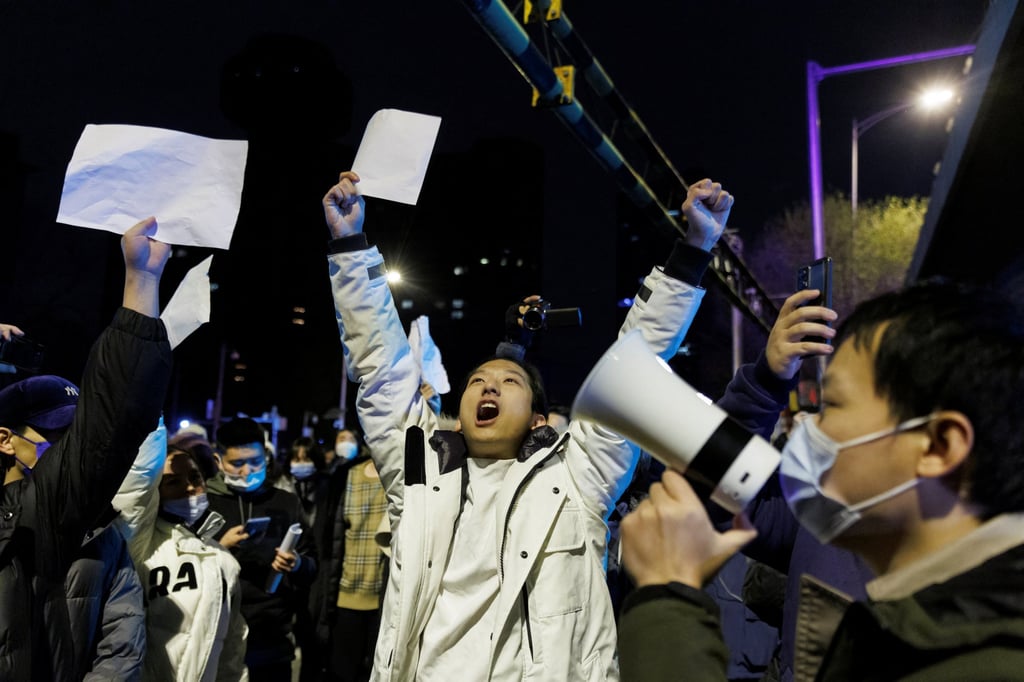
One big reason for China’s initial success is that the early viral variants were less contagious, but quite deadly. Draconian health measures including mass lockdowns therefore worked well in an authoritarian society. Locking down the few to shield the rest seemed justified and, for a while, it worked. Such tough measures were much more difficult to enforce when many democratic countries in the West had a hard time even imposing a prolonged mask-wearing mandate. And so there were many more deaths in most Western countries as a percentage of their populations than in China.
Things change, though, and viruses mutate. The more recent ones such as the Omicron strain are more contagious but not as deadly. Imposing lockdowns like playing whack-a-mole has therefore been much less effective against their spread. After the initial deadly outbreaks in many Western democracies, high herd immunity as well as vaccine innovation and high inoculation rates make relaxing health rules and reopening economies possible.