Debates about political correctness and free speech do teach us one thing: our words have power
- One US university’s attempt to eliminate biased language from campus has revived discussions about the limits of free speech
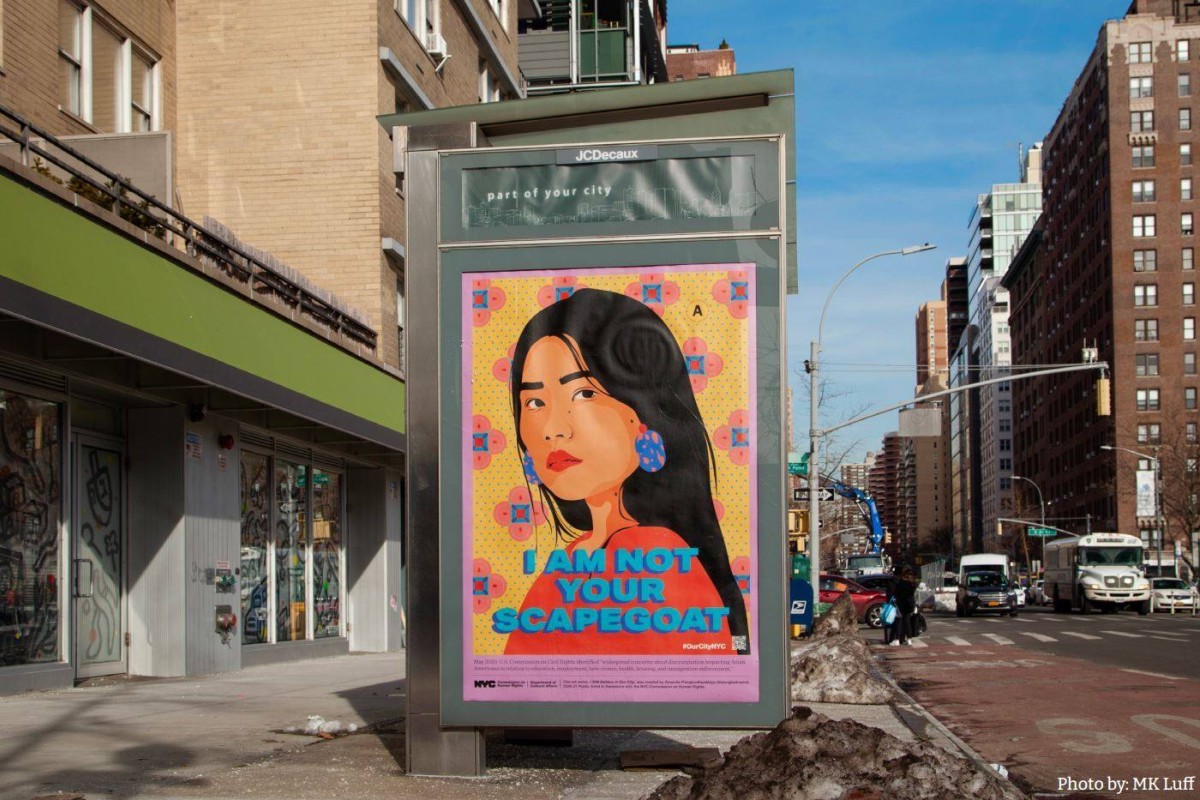
- While Hong Kong generally has a relaxed attitude to language use, the rise in anti-Asian attacks in the US is a reminder that hateful rhetoric can incite violence
When I was a child, I never understood how the pen could be mightier than the sword. As an adult, I understand more than ever how words have meaning. Words can be a call to action: “Ask not what your country can do for you – ask what you can do for your country” (John F. Kennedy). Words can inspire: “I have a dream” (Martin Luther King Jnr). Words can hurt.
On a recent holiday to the US, an elderly lady I met in a lift asked me where I was from, and I answered “Hong Kong”. She then said, “I know people of your kind”. I was taken aback and felt offended, though excused her for her age.
I was also surprised, given that political correctness reigns supreme in the US – where one has to tiptoe around language surrounding race, gender, culture, sexual orientation and religion so as not to cause offence.
Recently, the University of Southern California’s School of Social Work removed the term “field” from its curriculum, citing racist connotations related to slavery. Phrases such as “going into the field” and “field work” will be replaced with “practicum”. In my opinion, this is taking it too far as most societies start out as agrarian, with people tilling the field for food and agricultural production. I am also not sure how they will refer to their football and baseball fields.
And where does political correctness begin and freedom of speech end? Even the ubiquitous use of “you guys” and “freshman” were eschewed by Stanford University’s Elimination of Harmful Language Initiative as using masculine language. With the best of intentions, Stanford’s IT community spearheaded an effort to remove racist, violent and biased language.
However, the “harmful language” list was widely criticised as taking political correctness to an extreme. Entries on the list such as “blind study” (can further ableist culture), “killing two birds with one stone” (normalises violence against animals) and “white paper” (subconsciously racialised) were derided.
The website has since been removed due to the backlash. Stanford leadership has also affirmed that the list did not represent university policy, and that words were not being censored or “cancelled”.