Advertisement

Opinion
Silicon Valley Bank’s collapse hastens unravelling of long-standing ties between US venture capital and China’s technology start-ups
- Silicon Valley Bank’s failure appears to have shattered its Chinese clients’ belief that their money is bulletproof within the US financial system
- The likely impact of the US lender’s collapse is that China’s tech elite will look to banks in Hong Kong, Singapore and even Europe
3-MIN READ3-MIN
4

Zhou Xin is Tech Editor of the Post, following stints as Political Economy Editor and Deputy China Editor.
The collapse of Silicon Valley Bank (SVB), with its assets seized by US regulators on March 10, could further fray the long-standing ties between US venture capital and China’s technology start-ups, hastening the end of one of the world’s most exciting wealth-creating collaborations.
While SVB does not rank among the US banking industry’s top 10 institutions, it has played an important role for Chinese tech start-ups. They have used SVB for years as their default bank to open offshore accounts to handle funding received from US private equity and venture capital investors. Even after going public, these Chinese enterprises continued to maintain their offshore accounts at the Santa Clara, California-based bank.
Besides easing the flow of US money into Chinese start-ups, SVB essentially served as a safe harbour for China’s rich tech elite to park their offshore wealth. But the speed of SVB’s collapse caught many of its Chinese clients off guard, with literally no time to respond when the Federal Deposit Insurance Corp seized the bank’s assets and ordered its closure last Friday.
Advertisement
That development added more pressure on the increasingly fragile links across the Pacific, following the Biden administration’s move to tighten scrutiny of foreign investments last September and Beijing’s punishment of Didi Chuxing for data violations after it went public in New York in 2021.
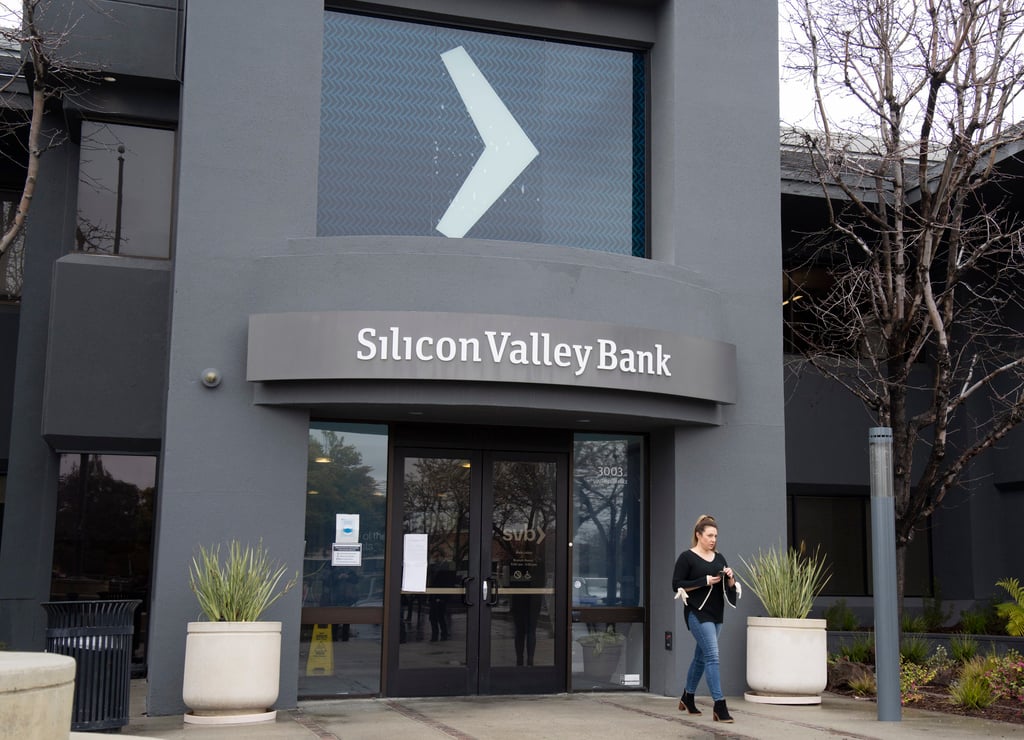
While there are other US lenders that Chinese companies can use for services similar to what SVB provided and any final financial losses should be manageable based on assurances made by US regulators like the Federal Reserve, the bank’s failure appears to have shattered these enterprises’ long-held belief that their money is bulletproof within the US financial system.
Advertisement
As of Monday, a number of listed Chinese companies have made statements that claim their exposure to SVB was limited. Beijing-headquartered biotechnology firm BeiGene said it had US$175.5 million of uninsured deposits at SVB. Shenzhen-listed Ando Health Co, meanwhile, said its deposits at the US lender represented only about 5 per cent of its total financial assets, as the rest are with major banks such as JPMorgan, UBS, Goldman Sachs and Morgan Stanley.
Advertisement
Select Voice
Select Speed
1.00x