
Judges must be left to get on with their job, free from any pressure
- US report fails to appreciate the challenges faced by the judiciary as it seeks to navigate the new environment created by the national security law

The US congressional advisers who called for sanctions on Hong Kong judges involved in national security cases did not have to wait long to be disavowed of any notion their move would influence court decisions in the city.
A week after the report by the Congressional-Executive Commission on China was issued, the High Court upheld a ban on media tycoon Jimmy Lai Chee-ying being represented by a top British lawyer in his national security trial.
The ruling’s significance goes well beyond the ability of Lai to be represented by the lawyer of his choice. It established that the courts cannot interfere with decisions of the city’s high-powered national security committee, chaired by the chief executive.
The call for sanctions on judges was, not surprisingly, condemned not only by Beijing and Hong Kong officials, but also by the judiciary and the Bar Association. Chief Justice Andrew Cheung Kui-nung on Saturday urged all lawyers to “stand up against any attempt to interfere with the due administration of justice by our judges”.
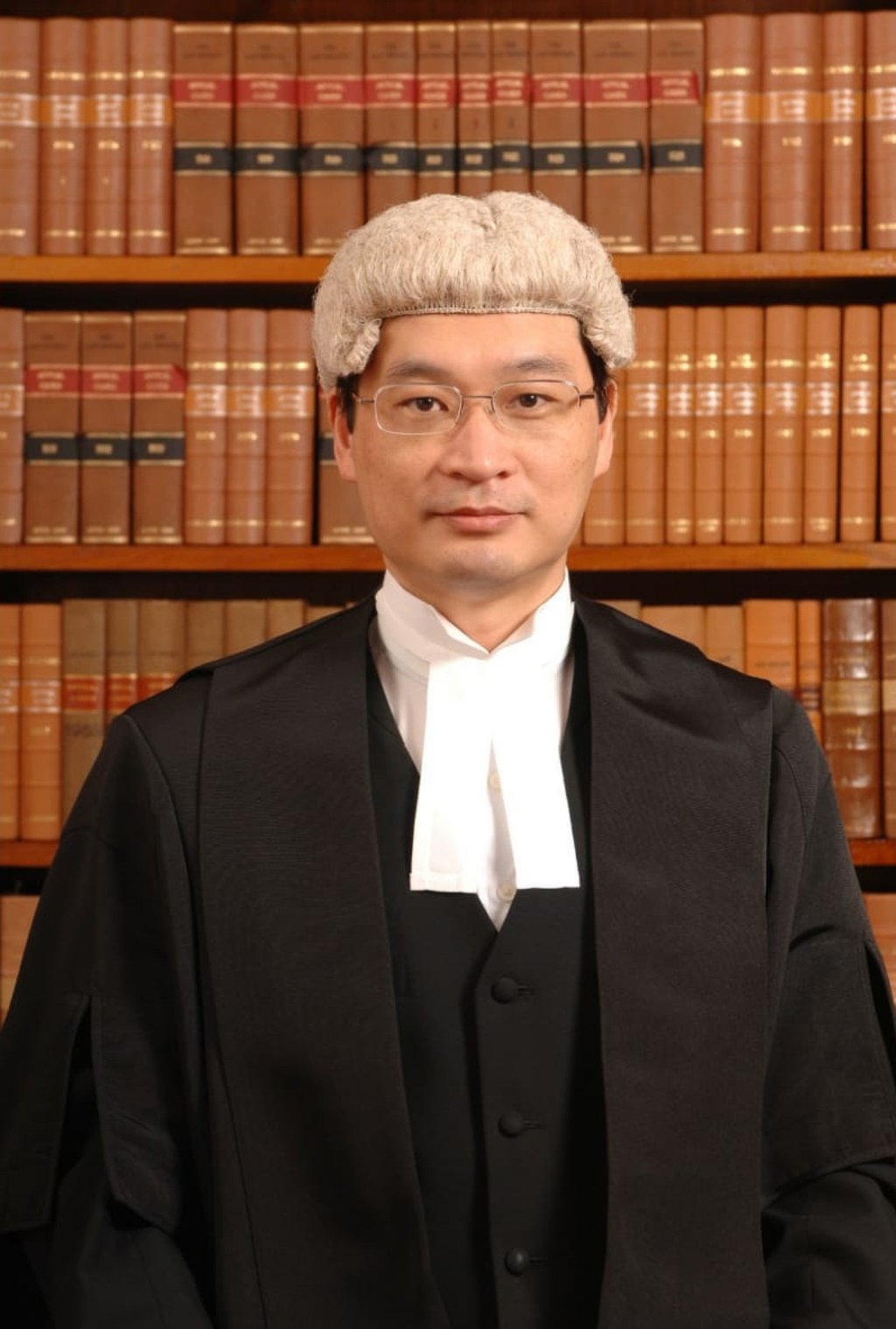
It is ironic that the authors of the US report complained about Hong Kong’s independent judiciary being undermined and then sought to interfere with it by calling for sanctions. The report fails to appreciate the challenges faced by the judiciary as it seeks to navigate the new environment created by Beijing’s passing of the national security law in 2020 following months of often-violent anti-government protests.
Hong Kong people have long looked to the courts to uphold their rights and to ensure the government acts within its legally defined powers. Judges have often been asked to help resolve issues troubling the community and, increasingly, to rule on politically sensitive issues.