
My TakeJudiciary in the dock as copycat affair raises some legal questions
- When independent thinking is expected from the bench, one has to ask just why did a leading city judge plagiarise submissions from lawyers?

The idea that a judge, of all people, would indulge in plagiarism, especially when writing a court ruling, is one that strikes at the heart of the judicial function.
An independent judiciary naturally requires judges to resolve legal issues themselves and to explain the reasons for their decisions. That is what they are there for. The highest ethical standards are expected.
It is, therefore, a concern that a Hong Kong judge has been admonished for the flagrant copying of submissions made by the plaintiff’s lawyers in a dispute over trademarks in 2021.
Mr Justice Wilson Chan Ka-shun, a judge for 10 years, replicated more than 98 per cent of the winning party’s arguments in his 53-page ruling. The Court of Appeal heard “there is not one full sentence written by the trial judge in his own words”.
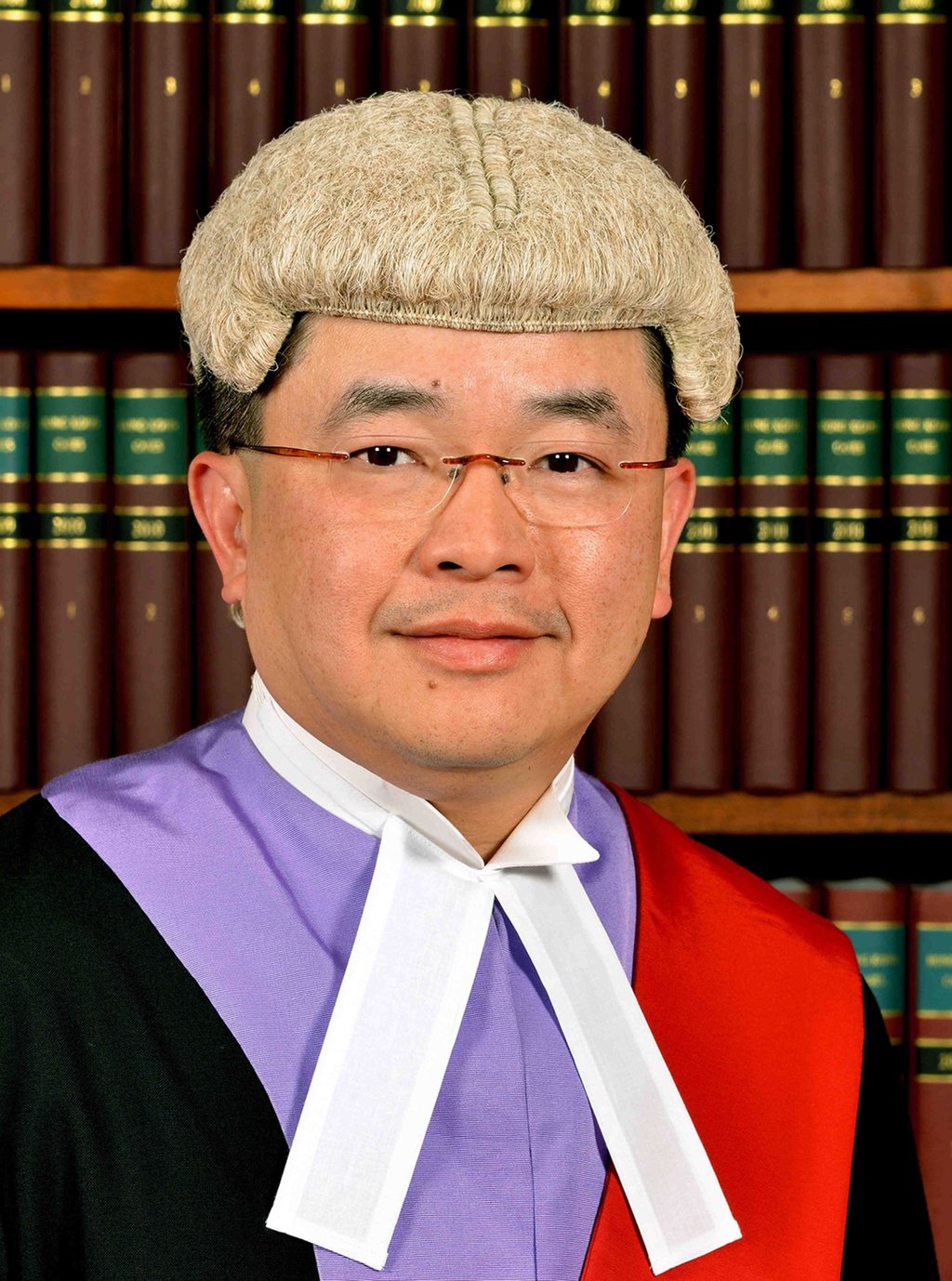
The court allowed an appeal against the judge’s decision on the grounds that a reasonable person would, as a result of the plagiarism, be left with a “justified sense of grievance”. The case must now be tried again. Chief Justice Andrew Cheung Kui-nung described the judge’s copying as “totally unacceptable”.