
Editorial | Use of new ‘umbrella law’ by Beijing calls for clarity and caution
- Passing of Foreign Relations Law in response to US provocations may be understandable, but the legitimate concerns of overseas companies and investors have to be addressed

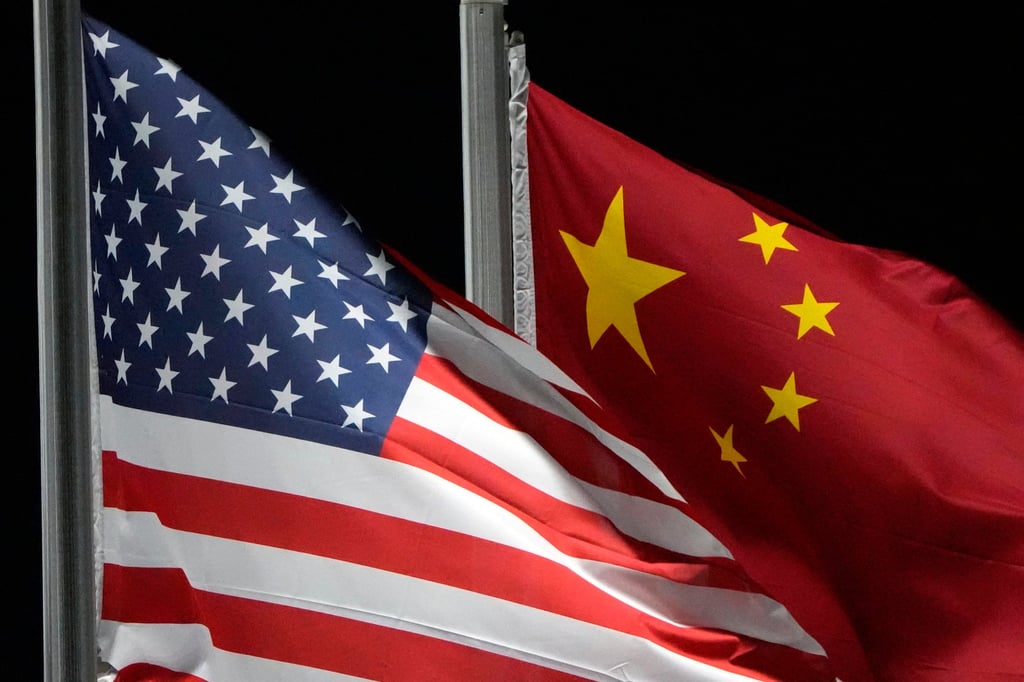
American efforts to curb China’s rise through a trade war and export controls prompted Beijing to pass the Anti-Foreign Sanctions Law in 2021. Since then, China has introduced a series of regulations aimed at countering sanctions.
But there has been nothing quite like the all-encompassing legislation adopted this week, which is expected to help Beijing use domestic law to retaliate against sanctions and deter future provocations. It also reflects a focus on national security and on countering a United States-led “long-arm jurisdiction”.
The Foreign Relations Law is the first of its kind in China. It was a long time in preparation before being passed by the National People’s Congress (NPC) Standing Committee – China’s top legislative body. The new law is the ultimate response to sustained containment policies and pressure from the US-led Western camp.
The use of sanctions has become commonplace, despite the 2021 anti-sanctions legislation. The Foreign Relations Law provides a wider legal base for dealing with foreign pressure or hostile actions.
The critical issue in the latest measure, however, is the detail on interpretation, implementation and enforcement.