
My Take | China tiptoes towards living with Covid-19 under evolving ‘dynamic zero’ policy
- Last week, the country halved its quarantine period for inbound travel and allowed the resumption of many international flights
- China is not abandoning its ‘dynamic zero’ strategy, but related policies will be open to more flexible implementation

China has moved a step closer towards living with Covid-19.
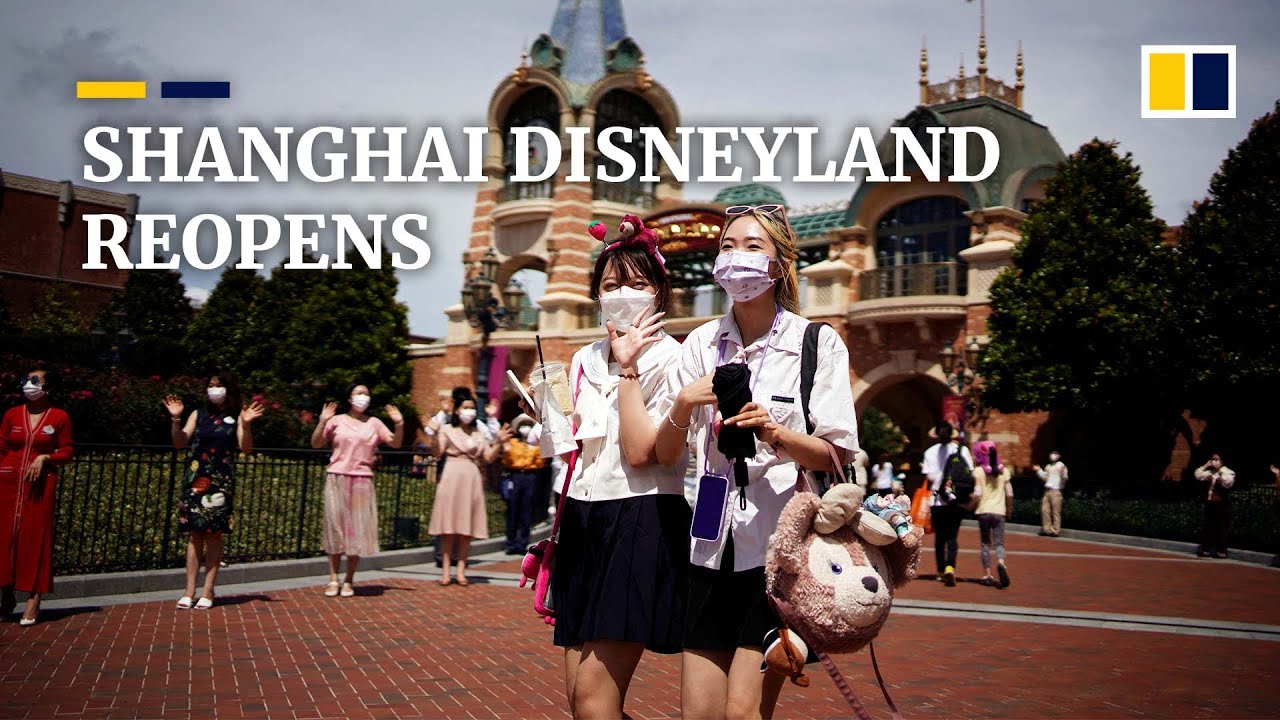
01:48
‘It feels like coming home’: Shanghai Disneyland reopens after 3-month closure
But even with the latest relaxations, China remains one of the countries with the world’s most restrictive Covid-19 policies. An inertia has developed across its vast bureaucratic apparatus, driving officials to avoid any outbreak at any cost.
The latest mini outbreak in a county in the eastern province of Anhui, which is now spreading to neighbouring Jiangsu province, has again been met with lockdowns, quarantines and mass testing – although the measures are more targeted this time than in previous rounds, with shops remaining open and public transport still in operation in the city of Wuxi.
Meanwhile, regular nucleic acid testing has remained part of day-to-day life in major Chinese cities, with the Beijing municipal government’s sudden tweak over the weekend to the effective period of negative testing results leading to some chaos.
Still, it seems that China is bidding farewell to many of its strictest measures. One obvious reason is to keep economic growth on track: the government remains committed to its goal of 5.5 per cent GDP growth for the year, which would be out of reach if extensive lockdowns and travel restrictions continue.