
How Hong Kong’s nastiest plastic pollutant – microfibre – hides in plain sight
- Synthetic microfibres, mainly shed from polyester clothes, are the most common microplastics in Hong Kong’s waste water
- While studies elsewhere show microfibres being ingested indoors and from eating seafood, little is known about the effects here
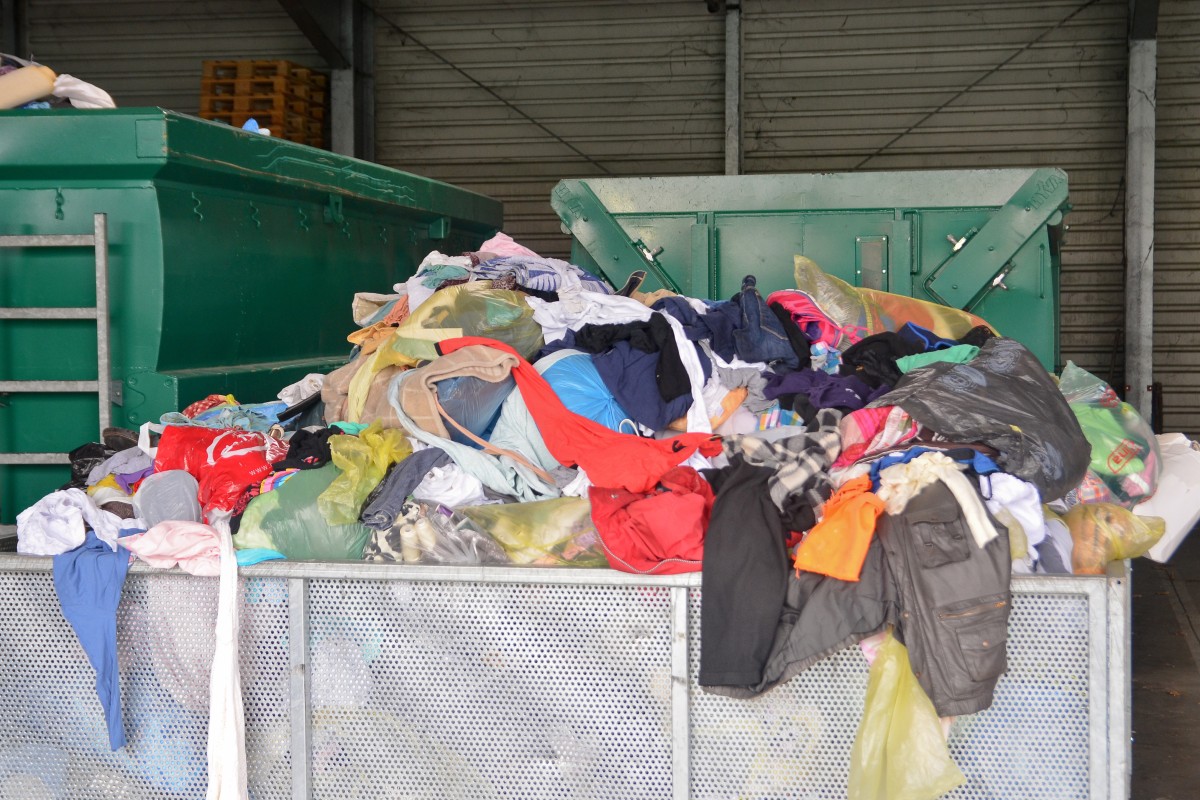
Polyethylene terephthalate (PET), commonly known as polyester, is a synthetic fibre widely used in clothing and can be derived from either virgin or recycled plastics. Polyester accounts for 52 per cent of the global fabric market, and around 13 per cent of polyester production is recycled, mainly from PET bottles.
The situation in Hong Kong reflects this global ecological disaster. One study showed that microfibres account for most of the microplastics that flowed into a waste water treatment plant, and most likely came from the washing of textiles and degrading plastic packaging.

06:47
SCMP Explains: How does Hong Kong handle its waste?
Although sewage treatment plants in Hong Kong can filter up to 95 per cent of all microfibres, the volume being released is so vast that too many microfibres still end up in the ocean – effluents from both the Stonecutters Island and Sha Tin sewage treatment plants confirm this grim reality.