Tencent’s hit video game Honour of Kings spurs black market for virtual mercenaries, ghost players
With many players in China using Honour of Kings as a form of ice-breaker, some are paying experts thousands of yuan to play as their avatar and increase their game ranking and social standing, funnelling money to a black market

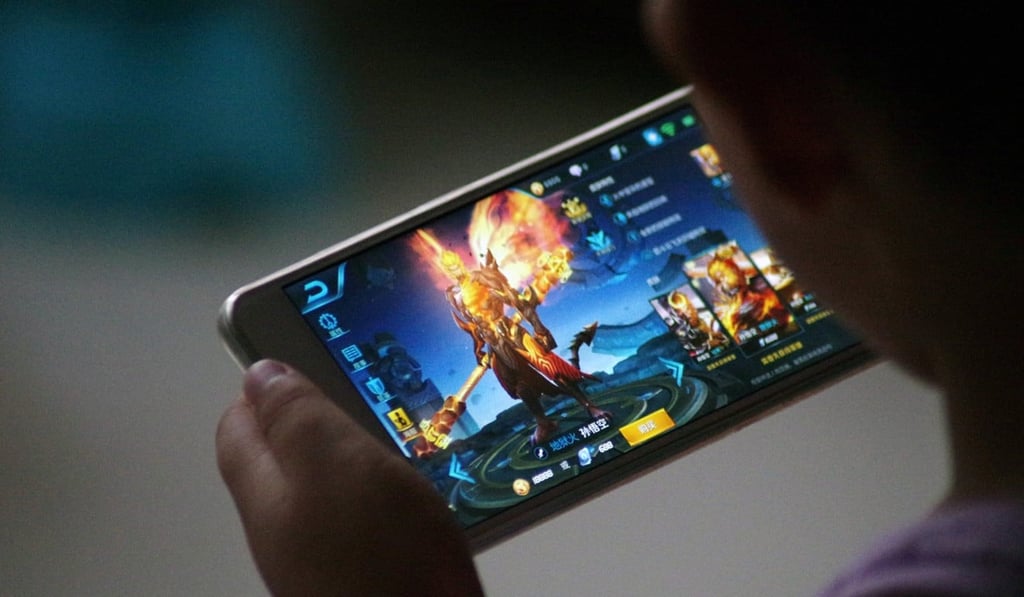
Welcome to a less visible world within Tencent’s mobile smash Honour of Kings, where professional doppelgangers get paid to help newbies climb both social and gaming ladders.
The hack-and-slash blockbuster that’s fuelled Tencent’s US$400 billion market valuation is spurring a thriving underground market for battle-tested coaches who help acolytes rise up the rankings. Ready-made accounts go for as much as US$1,000 apiece. Alternatively, they can take over a social media profile to sow carnage in someone else’s name and save them the hours of work needed to increase an avatar’s ranking.
“These people have daytime jobs, and not all of them have the skills, but no one wants to be laughed at,” says 26-year-old Huang, who has helped almost 200 people boost their rankings in less than a year. By day, Huang works as a high-speed rail mechanic in the coastal province of Fujian. By night, he charges a one-time fee of about 2,000 yuan (US$300) to help newbies gain a coveted “Supreme King” label within a week.