Tokyo Game Show: Japanese video games adapting VR and other new tech for classic titles
Ex-Castlevania producer Koji Igarashi and Sony’s game division president Atsushi Morita are among the major industry figures at the Tokyo Game Show highlighting a revival of classic Japanese franchises thanks to new technology

The Japanese video game industry is finding its way out of the doldrums by adapting new technology for decades-old titles, a trend evident at the annual Tokyo Game Show being held this weekend.
New features such as immersive virtual reality are not only leading to new kinds of games but also helping revive interest in old-style genres.
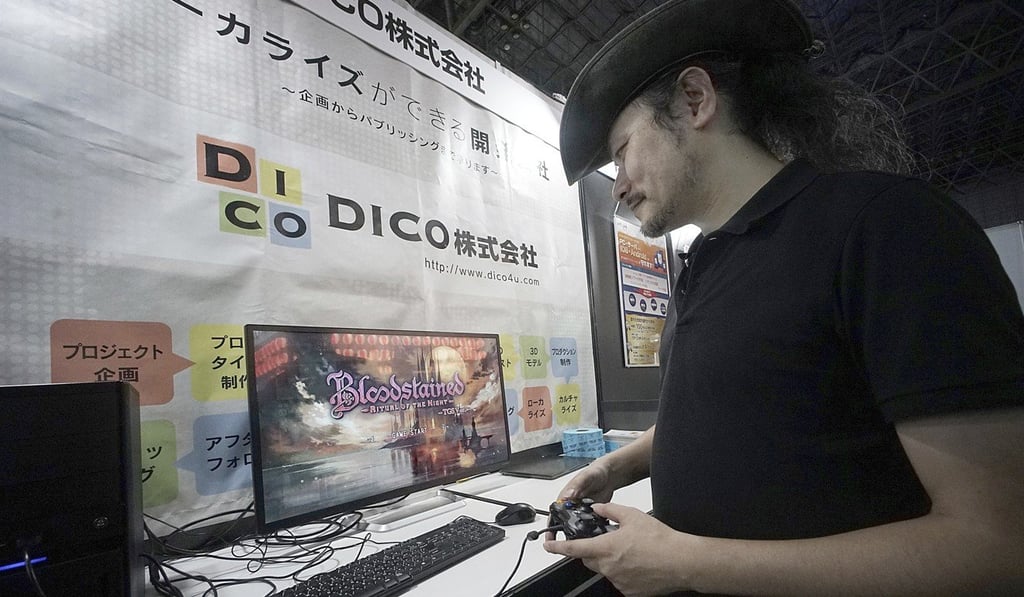
“Our older fans … are excited those [old] games are coming back and they recognise them as Japanese-style games,” said game producer Koji Igarashi at the show in the Makuhari Messe convention centre in Chiba, describing the genres enjoying revival as “truly game-like games”.
Game review: Resident Evil 7 will scare you out of your chair
Igarashi compared that to the way Japanese movie-making has endured along with Hollywood films. “We are just offering what we find as fun,” he said, adding that what he called his “Japanese idea of fun” can cross borders. “And we must never lose sight of that – what makes us truly us.”
Although the rise of smartphone gaming has taken its toll on the video games market, many franchises have stood the test of time with more than a few of them Japanese: Capcom’s Monster Hunter and Resident Evil (known as Biohazard in Japan), the Super Mario series from Nintendo and Gran Turismo from Sony, to name a few.
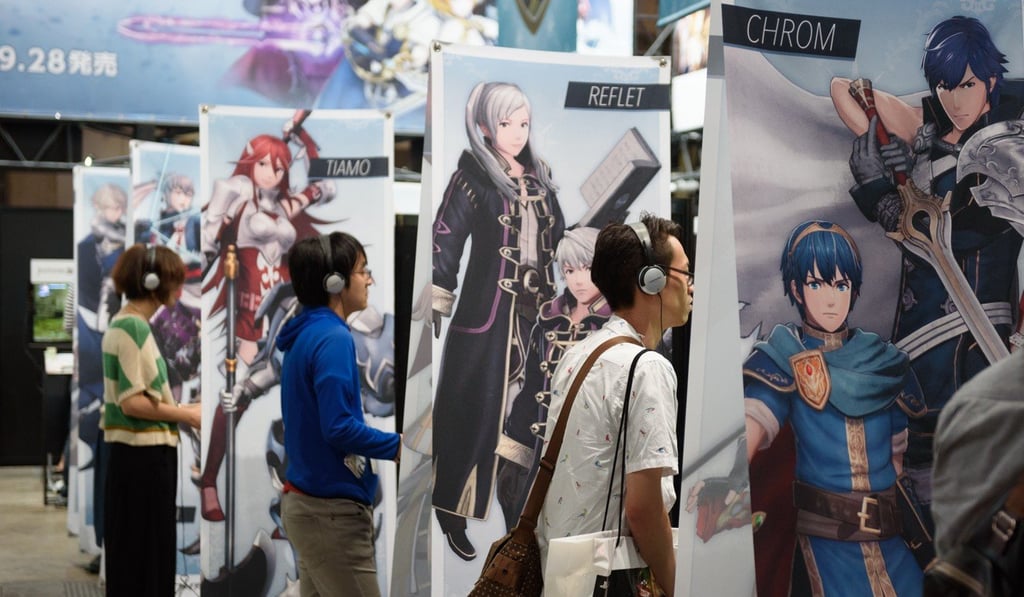
Kyoto-based Nintendo initially scoffed at the threat from smartphones but did an about-face and has since offered smartphone versions of two of its flagship games: Super Mario Run and Fire Emblem Heroes. Pokemon Go, a mobile title developed by Niantic but featuring Nintendo’s Pokemon characters, was also a global hit.