Nationalism, xenophobia and racism in online games an unchecked problem
Online multiplayer games are becoming hotbeds of intolerance, with racist or nationalistic slurs bandied about. Yet Chinese media have praised player group the Red Army, who corner and force others to say ‘China number one’ or die

Take survival-shooter H1Z1: King of the Kill, currently the third most popular on Steam, the world’s biggest online games platform. Matches in Asia are sometimes interrupted by the Red Army, a band of Chinese players who’ve won praise from Chinese media for championing in-game nationalism. One tactic involves cornering rivals and forcing them to pay tribute to the motherland by saying “China number one”. Those who fail to comply are swiftly dispatched.
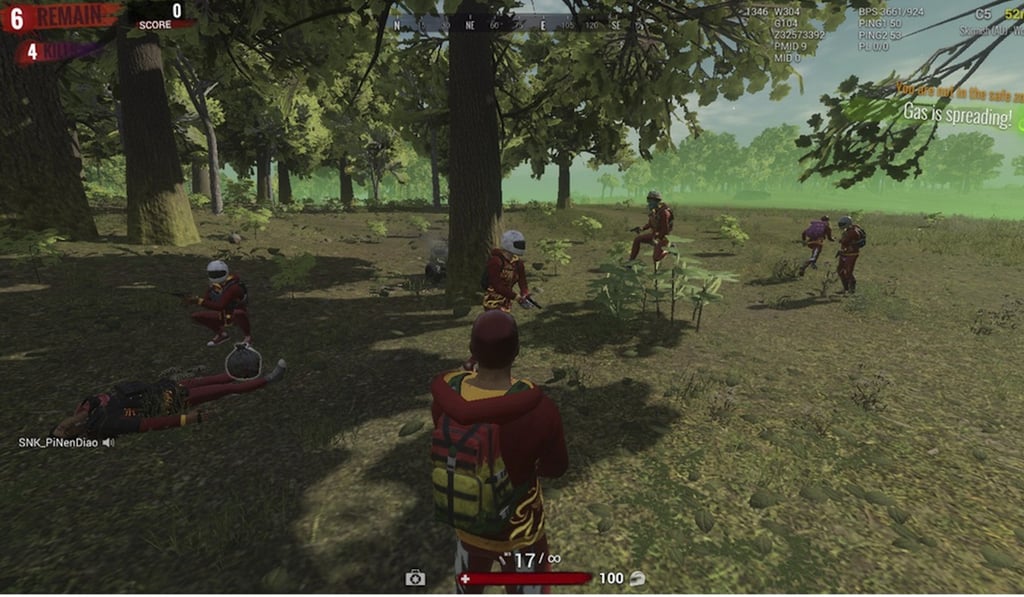
Their antics, along with those of peers from a range of countries and ethnicities, are gaining notoriety through countless online videos as the embodiment of a global online gaming phenomenon that’s gathered momentum: the spread of xenophobia and racism. Once limited to consoles in the living room, advances in internet speed and multiplayer technology now let thousands from around the world join the fray, employing microphone headsets to scream everything from encouragement to abuse at each other.
E-sports, indie games, cosplay: GameStart Asia in Singapore through the eyes of a first-time visitor
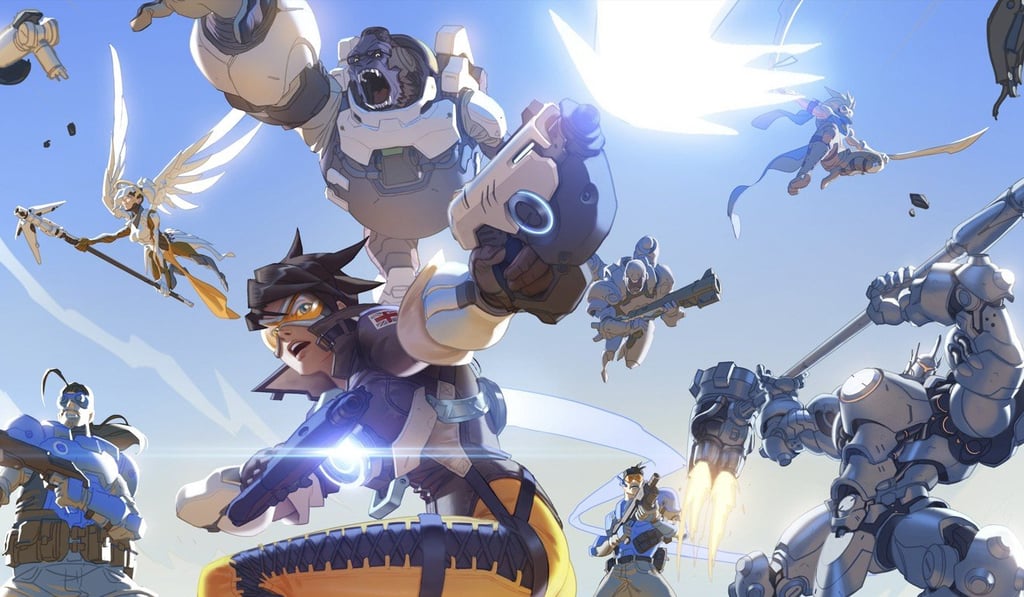
In marquee titles from Activision Blizzard’s Overwatch to Ubisoft’s Rainbow Six Siege, one encounters players freely exchanging graphic slurs in patterns reflecting real-world tensions. Yet while “Gamergate” exposed the depth of misogyny in the community and Grand Theft Auto triggered calls for curbs on violence, xenophobia in games has yet to draw the same level of attention.
Facebook and YouTube police hate-speech to comply with advertisers: YouTube sensation PewDiePie’s premium show was cancelled over videos deemed to contain anti-Semitic content (he denies being racist). But in the world of online gaming, where competition is the main pursuit, name-calling and verbal abuse are inextricably part of gaming trash-talk for many enthusiasts. In others, it provokes uneasiness.
“When you are online you are feeling a sense of safety behind the screen, which gives you the feeling that you can say anything,” says Larry Rosen, author of The Distracted Mind: Ancient Brains in a High-Tech World. “Lots of antisocial behaviour happens when you feel a sense of freedom to say whatever you want.”