How the super rich used to live: British Museum exhibition in Hong Kong of ancient Middle Eastern luxury objects
Show at Hong Kong Museum of History highlights the sophistication of design and craftsmanship thousands of years ago, and reminds us why we grieve over the wanton destruction of cultural relics

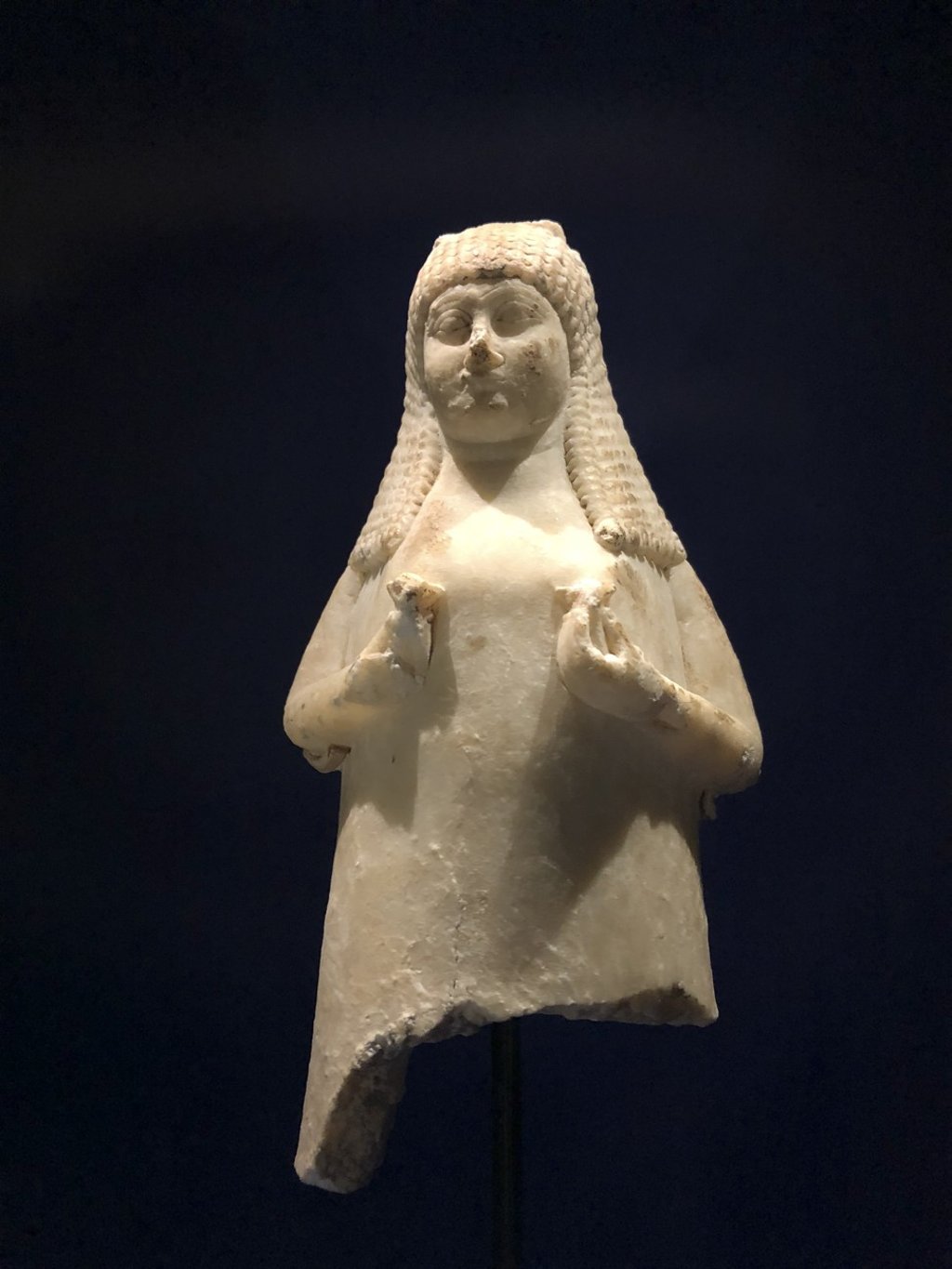
A touring British Museum exhibition on the wealthy ruling classes of ancient Middle Eastern empires offers a splendid display of objects found at historic sites such as Nimrud and Nineveh.
The latter, the ancient Assyrian capital, is probably best-known for being where the prophet Jonah convinced inhabitants to drop their pride and evil ways to avoid God’s annihilation.
The exhibition has made Hong Kong its first stop (at the Museum of History) before moving on to Spain, and is another example of how the British Museum is a pioneer in presenting history through objects in engaging ways.
A five-hour wait in Shanghai to see two million years of human history
It offers more than just an excellent history lesson on the Assyrians, the Babylonians and the Achaemenids, for ancient Nineveh is present-day Mosul. What God or successive invaders spared, so-called Islamic State’s militants have done their utmost to destroy.
When the immediate is hell, a preoccupation with the frivolous luxuries of a bygone age may seem oddly facetious, a blinkered historic focus detached from heinous sufferings on the ground. But this understated show about the sophistication of design and craftsmanship from thousands of years ago is actually an evocative reflection on why we grieve over the wanton destruction of cultural relics in Nimrud, Mosul, Palmyra and Bamiyan. These were our shared heritage.
“This is a follow-up to the fabulous Mesopotamia exhibition that we took to Hong Kong in 2013,” says Alexandra Fletcher, assistant keeper, Middle East department at the British Museum. “We hope that the theme of luxury will connect with different people around the world because it shows that people used to like the same things as we do, and had the same desires and wants that we do now.”