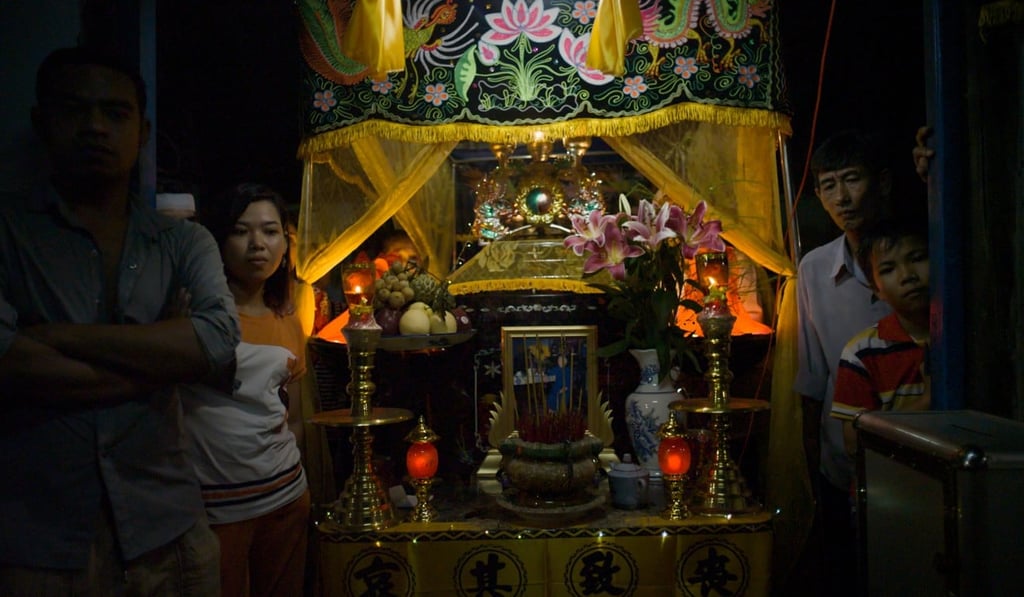
A fresh take on Southeast Asian art, design and architecture in show at Hong Kong’s M+ Pavilion
From Bangkok’s ‘Robot Building’ to a ring of wall-mounted seats from a Singapore bus stop, exhibition at M+ Pavilion shows what Hong Kong’s future museum of visual culture is all about

It would be taxing to put together an exhibition that encompasses the heterogeneity of Southeast Asia under any circumstance. Holding such a show at Hong Kong’s bijou M+ Pavilion makes it doubly so, especially when the exhibition spans the realms of visual art, design and architecture.
“In Search of Southeast Asia Through the M+ Collections” may be far from encyclopedic, but it is the most comprehensive demonstration so far of what the city’s future M+ museum of visual culture in the West Kowloon Cultural District is about: discovering nuances, undiscovered viewpoints and the porousness of modern and contemporary Asian culture through different kinds of visual media.
As Southeast Asian art grows in stature, Hong Kong becomes focal point for top auction houses bidding to boost their sales
The exhibition is divided into three sections. The first, called “Conditions of Place”, includes works based on elements specific to their local context but bound together by an awareness of the tension that exists between tradition and development.
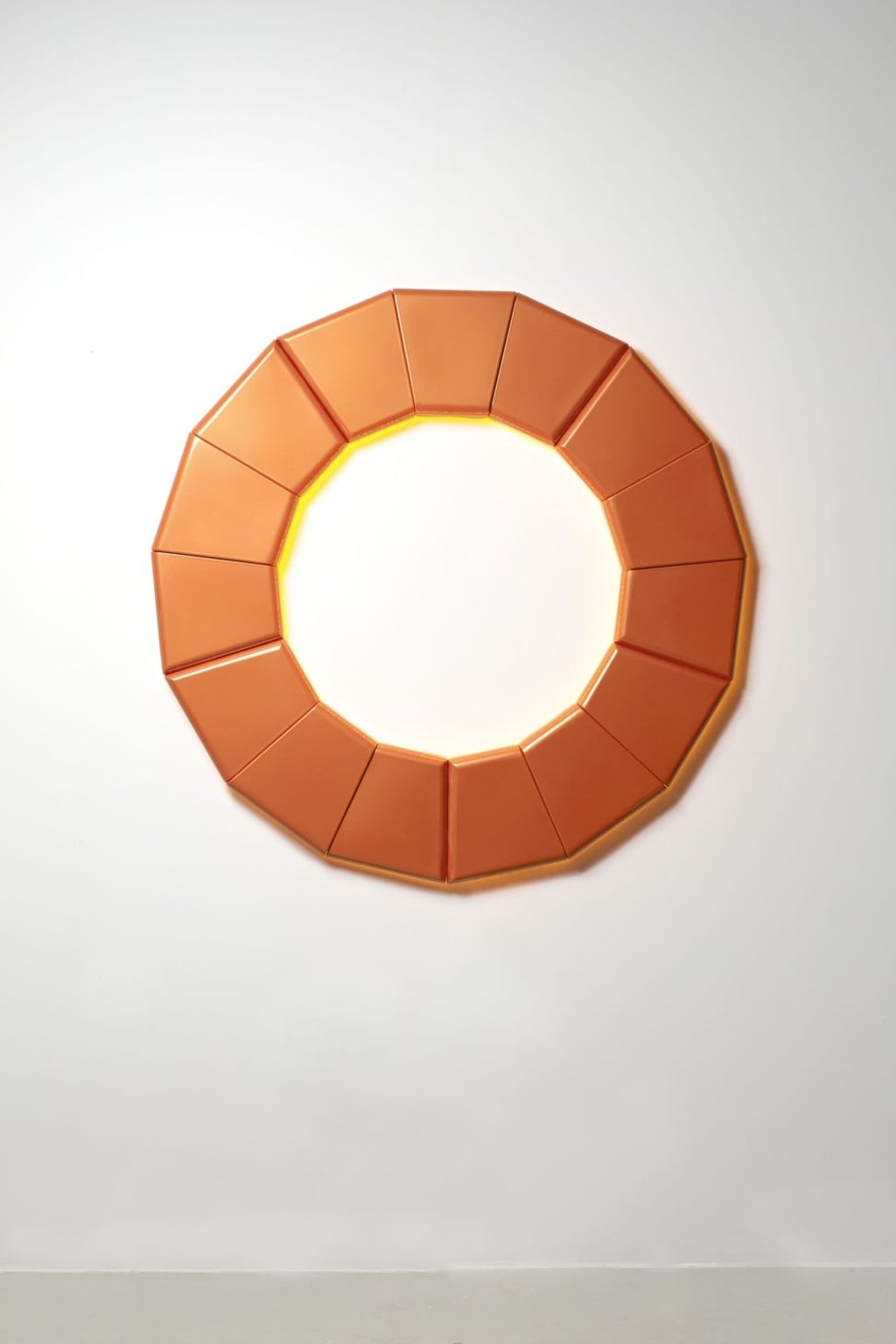
Chun Kai-feng’s Nothing To Wait For (2013) is a ring hanging on the wall made with exact copies of the ubiquitous, orange plastic seats found in Singapore’s bus stops. The backlighting and the shape of the perfect circle give the assemblage of ordinary objects an air of spiritual mystique, which the title promptly debunks.
Sopheap Pich’s Compound (2011) is also a response to an Asian urban landscape. It is a modular sculpture made by combining woven pieces of bamboo and rattan that are reminiscent of traditional forms such as baskets and fish traps. The artist began the series as a response to the rapid urbanisation of Phnom Penh when he returned to the Cambodian capital after two decades in the United States.