Giselle review: Akram Khan and English National Ballet put on breathtaking Act 1, second act lags behind
Khan’s reimagining of the classic ballet leads the audience on a roller-coaster ride in the first act, with Crystal Costa shining in the title role, although the sombre lighting sometimes made it hard to make out the dancers on stage

As soon as the curtain rises on a dramatic image of desperate people beating against the massive wall that bars them from freedom, it’s easy to see why Akram Khan’s Giselle has been a smash hit for English National Ballet with critics and audiences alike.
The first half is Khan at his very best: physically thrilling and visually compelling, it’s magnificent dance theatre that more than vindicates artistic director Tamara Rojo’s bold move in inviting Khan, with no classical ballet background, to re-imagine one of ballet’s best-loved classics.
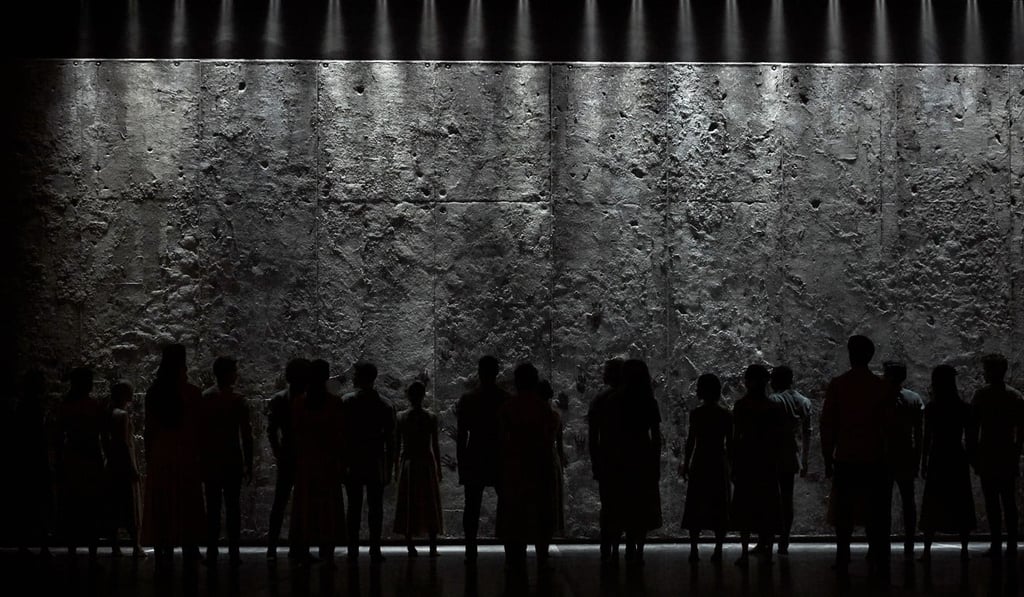
Khan and his dramaturge Ruth Little have transposed the original 1841 tale of a peasant girl who falls in love with an aristocrat to a nameless place where dispossessed migrants are trapped behind a massive wall by a ruling class who emerge from time to time to demand that the migrants dance for their amusement.
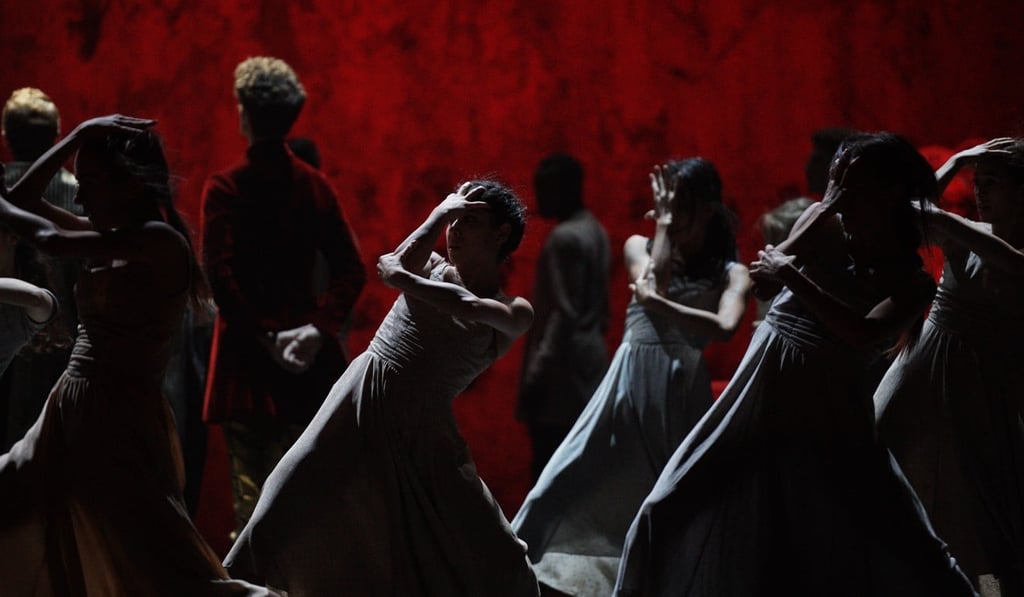
The treatment, particularly Tim Yip’s exaggerated costumes and make-up for the rulers and drab colours for the migrants, along with the vision of a strong, rebellious Giselle, is reminiscent of The Hunger Games and works well.
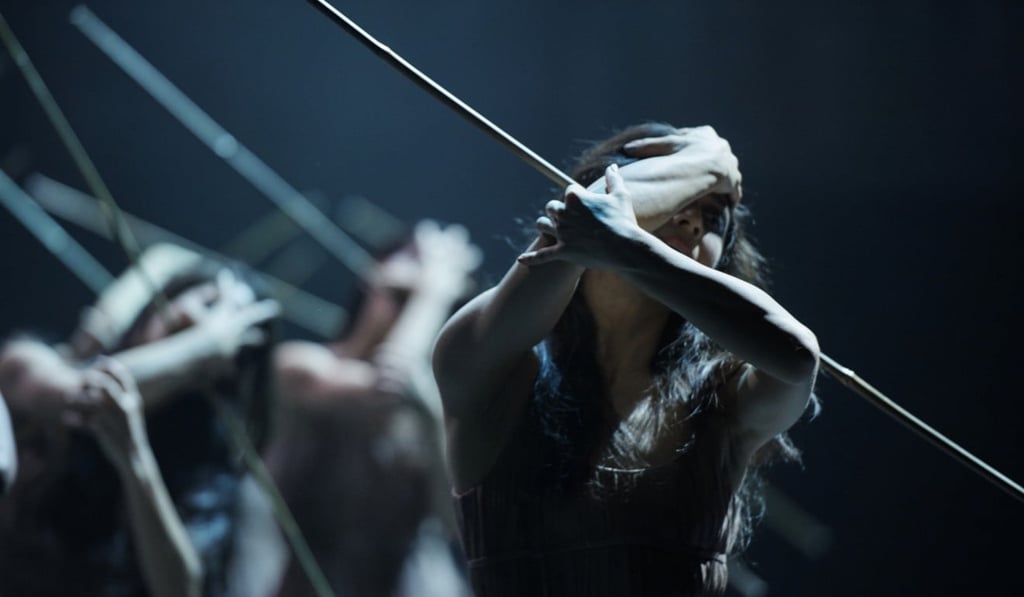
Act 1 is packed with Khan’s trademarks: spectacular theatrical effects and choreography distinguished by its visceral energy and power, impressive use of group work and the exceptional use of hands that harks back to his training in classical Indian dance. A roller-coaster ride from start to finish, it leaves the audience breathless.
Viewed as a take on the original Giselle (which Hong Kong Ballet will perform in October), Vincenzo Lamagna’s reworking of Adolphe Adam’s score, combining the original themes with menacing modern passages and heavy use of percussion and even transforming the familiar music into a tribal style for the migrants’ dances is dazzling.